


A trustworthy pet sitter is defined as a professional who provides verified credentials, clear communication, and proven compatibility with your pet before the first solo visit. For urban pet parents in Chicago and other busy cities, finding that person is not a luxury. It is the difference between a relaxing trip and a weekend spent anxiously refreshing your phone. The signs of a trustworthy pet sitter are specific and observable. You do not need to guess. This checklist gives you exactly what to look for, what to ask, and which red flags in pet sitters to take seriously.
1. Verified insurance and a written agreement
The single most concrete sign of a professional pet sitter is a current certificate of insurance. Reputable pet sitting companies provide certificates that explicitly detail general liability coverage and animal bailee coverage. General liability protects you if the sitter causes accidental damage to your home. Animal bailee coverage protects your pet if something goes wrong while in the sitter’s care. If a sitter cannot produce this document on request, that is a hard stop.
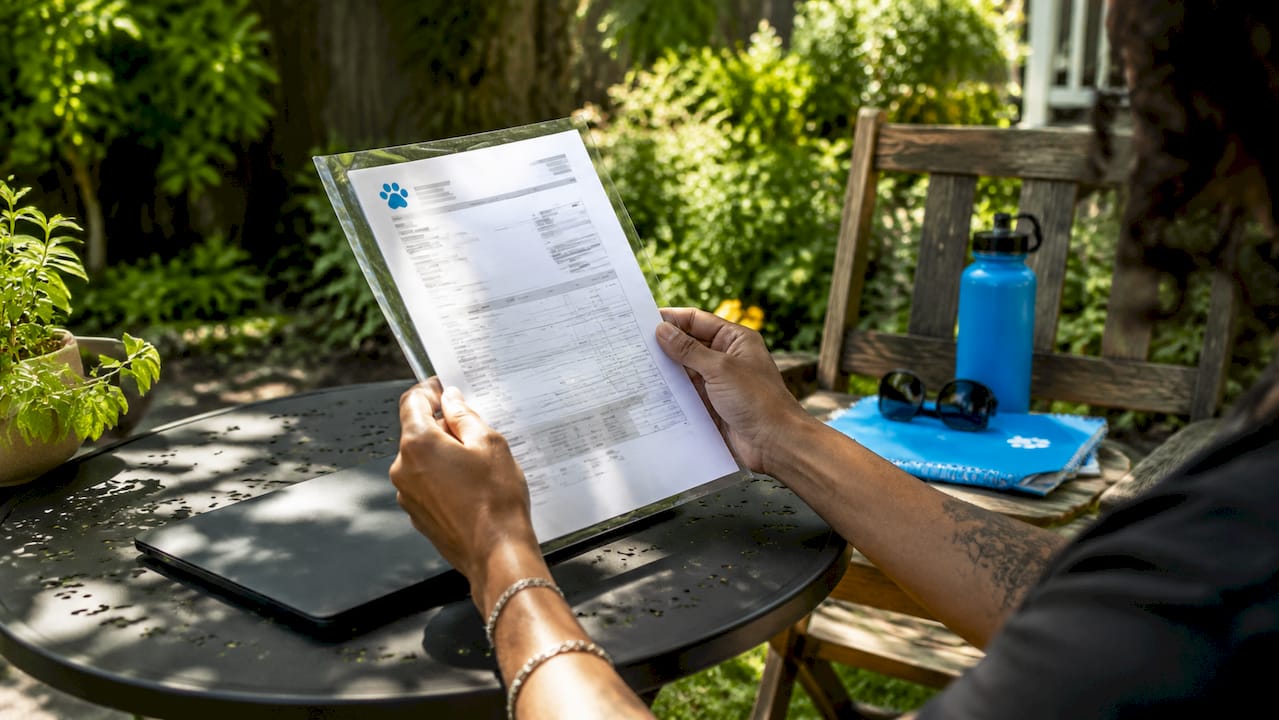
Written agreements are equally non-negotiable. Contracts that clarify payment terms, service details, and emergency protocols protect both parties and signal that the sitter runs a real business. A handshake deal leaves too much room for misunderstanding, especially around cancellations, key handling, and what happens if your pet needs a vet.
Key items to verify on any insurance certificate:
- The policy is current and not expired
- Your name or address is listed as an additional insured (some policies allow this)
- Both general liability and animal bailee coverage are listed
- The coverage amounts are reasonable for your pet’s value and your home
Understanding what bonding and insurance actually mean helps you ask the right questions. Bonding covers theft by the sitter. Insurance covers accidents. You want both.
Pro Tip: Ask the sitter to email you their certificate of insurance directly from their insurer, not just a screenshot. A real certificate has the insurer’s contact information on it, so you can verify it yourself in under two minutes.
2. An in-home meet-and-greet before the first visit
An in-home consultation lasting 30–60 minutes is the most reliable way to assess whether a sitter and your pet are genuinely compatible. Beth Stultz-Hairston, president of Pet Sitters International, emphasizes that initial in-home consultations build the transparency and confidence that online reviews simply cannot replicate. This step is not optional if you care about your pet’s comfort.
During the meet-and-greet, watch your pet, not just the sitter. Your fur baby’s body language tells the real story. A dog that retreats, tucks its tail, or refuses to approach the sitter is communicating something important. Pet anxiety or avoidance around a sitter is a significant red flag, even when the sitter’s credentials look great on paper.
What to observe during the meet-and-greet:
- Does the sitter let your pet approach on its own terms, or do they rush in?
- Do they get down to the pet’s level and speak calmly?
- Do they notice and respond to signs of stress, like yawning, lip-licking, or stiff posture?
- Do they ask questions about your pet’s routine, quirks, and history?
- Does your pet relax within a reasonable amount of time?
The benefits of in-home pet sitting start at this first visit. A sitter who handles the meet-and-greet well is showing you exactly how they will handle your pet when you are not there.
Pro Tip: Bring out your pet’s favorite toy or treat during the meet-and-greet. A sitter who notices and uses that cue to build rapport is demonstrating real observational skill, not just charm.
3. Clear, prompt, and detailed communication
Communication is a major predictor of sitter reliability. Clear, timely updates including photos and detailed questions about your pet’s routines signal genuine accountability. A sitter who responds to your first inquiry within a few hours, asks specific questions, and follows up proactively is showing you their work ethic before the job even starts.
Watch for these communication green flags:
- They ask about your pet’s feeding schedule, medical needs, and behavioral triggers
- They confirm visit times in writing, not just verbally
- They send photos or videos during visits without being asked
- They have a clear plan for emergencies and can name the nearest emergency vet
- They respond to messages within a reasonable window, even on weekends
Red flags look like the opposite: vague answers, slow replies, no questions about your pet’s specific needs, and no written confirmation of anything. A sitter who cannot communicate clearly before the job is unlikely to communicate clearly during a crisis. For more on what a solid emergency plan looks like, the emergency pet sitting guide from Sparky Steps breaks it down well.
4. Verified experience, certifications, and real references
Certifications from the National Association of Professional Pet Sitters (NAPPS) or Pet Sitters International (PSI) demonstrate specialized education in pet first aid, emergency procedures, and animal behavior. These are not just resume padding. They mean the sitter has studied what to do when something goes wrong. Pet first aid certification, in particular, is a quality worth prioritizing.
When reading reviews, look for depth over volume. Expert pet parents prioritize profile depth and consistency in testimonials over star ratings. A review that says “She noticed my dog was limping and called me immediately” tells you far more than ten reviews that say “Great sitter, highly recommend.” Specific, recurring themes in reviews are the signal. Generic praise is just noise.
| Verification indicator | Common red flag |
|---|---|
| PSI or NAPPS certification listed | No certifications mentioned anywhere |
| Pet first aid training on profile | Vague claim of “loving animals” only |
| Detailed, specific client reviews | Only generic five-star ratings |
| Experience with your pet’s breed or condition | No mention of specialized experience |
| References available on request | Refuses or deflects reference requests |
Trial visits where the sitter performs real care tasks provide deeper insight than any interview. A short test session, say a single walk or a 30-minute visit, reveals how the sitter actually handles your pet under real conditions. Think of it as the working interview. (Why hire someone without seeing them do the job? You would not hire a chef without tasting the food.)
5. Professionalism in the details that have nothing to do with pets
The qualities of a reliable pet sitter show up in how they handle the non-pet parts of the job. Professional sitters maintain clear cancellation policies and respect your home, and these behaviors directly correlate with overall trustworthiness. Punctuality, respect for your property, and transparent policies are not bonus features. They are baseline expectations.
Signs of professionalism beyond pet care:
- They arrive on time for the meet-and-greet and every scheduled visit
- They follow your instructions precisely, including feeding amounts, walk routes, and off-limit areas
- They lock up correctly and leave your home as they found it
- They have a written cancellation policy and stick to it
- They handle unexpected situations calmly and report them to you promptly
A sitter who respects your home respects your trust. In an urban environment like Chicago’s North Side, where many pet parents live in apartments or condos with shared spaces, this matters even more. The sitter who leaves a door unlocked or ignores your building’s rules is not just careless. They are a liability. A solid pet sitter code of ethics covers all of this and gives you a framework for what professional standards actually look like.
6. Consistent, observable care during every visit
Professional sitters prioritize observing subtle behavior changes that indicate stress or illness, not just providing affection. This is the difference between a sitter who loves animals and one who is trained to care for them. Experienced sitters are trained more on recognizing distress signals than on basic handling. That distinction matters when your pet is sick, anxious, or acting out of character.
A trustworthy sitter notices when your cat has not touched their food, when your dog is drinking more water than usual, or when your rabbit is sitting in an unusual posture. They report these observations to you. They do not wait until something is obviously wrong. This level of attentiveness is what separates a truly reliable caregiver from someone who simply shows up and fills the bowl.
Key Takeaways
The most reliable signs of a trustworthy pet sitter are verified insurance, a written agreement, a thorough in-home meet-and-greet, clear communication, and demonstrated expertise with your specific pet.
| Point | Details |
|---|---|
| Insurance is non-negotiable | Request a current certificate showing general liability and animal bailee coverage. |
| Meet-and-greet reveals the truth | Watch your pet’s body language, not just the sitter’s credentials. |
| Communication predicts reliability | Prompt, detailed responses before the job signal how the sitter performs during it. |
| Certifications add real value | PSI and NAPPS credentials mean the sitter has trained for emergencies, not just cuddles. |
| Professionalism shows in the details | Punctuality, written policies, and home respect are as important as pet care skills. |
What I have learned after 10 years of urban pet care
By Michael Jaurigue, co-founder of Sparky Steps
After a decade of building a pet care team in Chicago, the question I hear most from new pet parents is: “How do I know I can trust someone with my dog?” My honest answer is that the meet-and-greet tells you more than any review ever will. I have seen sitters with spotless profiles make a dog visibly uncomfortable within five minutes. I have also seen sitters with short profiles absolutely nail the first meeting because they read the dog perfectly.
The instinct most pet parents suppress is the most useful one. If something feels off during the meet-and-greet, it probably is. Your pet is not being dramatic. They are giving you data.
The other thing I would push back on is the idea that credentials alone equal trust. Certifications from PSI or NAPPS matter. Insurance matters. But I have met plenty of credentialed sitters who were technically qualified and personally unreliable. The combination of credentials, communication, and that first in-person interaction is what actually builds confidence. None of those three elements works without the others.
For urban pet parents specifically, consistency is the piece that gets undervalued. Knowing the same person is coming every time, someone who knows your dog’s name, their weird food preferences, and which neighbor’s dog makes them bark, that is what peace of mind actually feels like. It is not a feature. It is the whole point.
— Michael Jaurigue
Sparky Steps: Chicago’s trusted care team for your fur baby
If you are a pet parent on Chicago’s North Side and you want a care team that checks every box on this list, Sparky Steps is built for exactly that. Founded in 2016 by Michael Jaurigue and Laurie Adams, Sparky Steps is licensed, bonded, and insured, with a consistent care team that knows your pet by name. Every visit includes real-time updates via DoTimely: GPS tracking, photos, and visit notes sent directly to you. No rotating strangers. No guessing. Just the same trusted walkers every time, across Albany Park, Andersonville, Roscoe Village, and nine other North Side neighborhoods. Your fur baby deserves that.
FAQ
What are the top signs of a trustworthy pet sitter?
The top signs include a current certificate of insurance, a written service agreement, a willingness to do an in-home meet-and-greet, prompt and detailed communication, and certifications from organizations like PSI or NAPPS. Your pet’s comfort during the first meeting is also a strong indicator.
What red flags should I watch for when hiring a pet sitter?
Red flags include no proof of insurance, vague or slow communication, refusal to do a meet-and-greet, no written contract, and generic reviews with no specific detail. A pet that shows anxiety or avoidance around the sitter is also a significant warning sign.
What should I ask a pet sitter before hiring them?
Ask for their certificate of insurance, references from current clients, their emergency plan and nearest vet contact, their cancellation policy in writing, and whether they hold any professional certifications. A trial visit is also worth requesting before committing to longer care.
How do I evaluate pet sitter reviews effectively?
Look for specific, recurring themes rather than star ratings. Reviews that describe how a sitter handled a challenge, noticed a health issue, or followed detailed instructions are far more useful than generic praise. Depth and consistency in testimonials signal a genuinely reliable caregiver.
Is a trial visit worth doing before a longer pet sitting arrangement?
A trial visit where the sitter performs real care tasks is one of the most reliable evaluation tools available. It reveals the sitter’s actual interaction style and your pet’s genuine response, which no interview or review can fully replicate.
Written by the Sparky Steps Team.
Authorship Note
The content above aligns with the values of Sparky Steps LLC. While our trusty artificial intelligence helped organize the article, whip up some fun images, and translate ideas into clear, practical language, the final masterpiece is a delightful collaboration between passionate human writers who adore animals and a sprinkle of artificial intelligence magic. Remember, if you think writing is easy, try typing with paws!


