


A pet care plan is a proactive, subscription-based service that covers your pet's routine preventive healthcare needs, including wellness exams, vaccinations, and parasite control, for a predictable monthly fee. Unlike pet insurance, which kicks in after accidents or illness, a pet care plan keeps your pet healthy before problems start. Think of it as the difference between a gym membership and health insurance: one keeps you fit, the other pays when things go wrong.
This guide covers three things: what a veterinary wellness plan includes and how it compares to insurance, why daily routines matter and how to build one, and what a professional pet care service agreement should contain so you're protected when you hire a walker or sitter.
What is a pet care plan and what does it cover?
A pet care plan, sometimes called a pet wellness plan or pet health plan, is a subscription-based preventive care service that bundles routine veterinary services into one affordable monthly payment.
The goal is simple: catch problems early, keep your pet healthy, and spread the cost so there are no surprise bills.
Pricing varies significantly by provider, region, pet species, and life stage. Most major veterinary groups offer tiered plans, so it's worth calling your vet directly and comparing the bundled price against what you'd pay individually for each service. The math usually favors the plan, especially once dental cleanings are factored in.
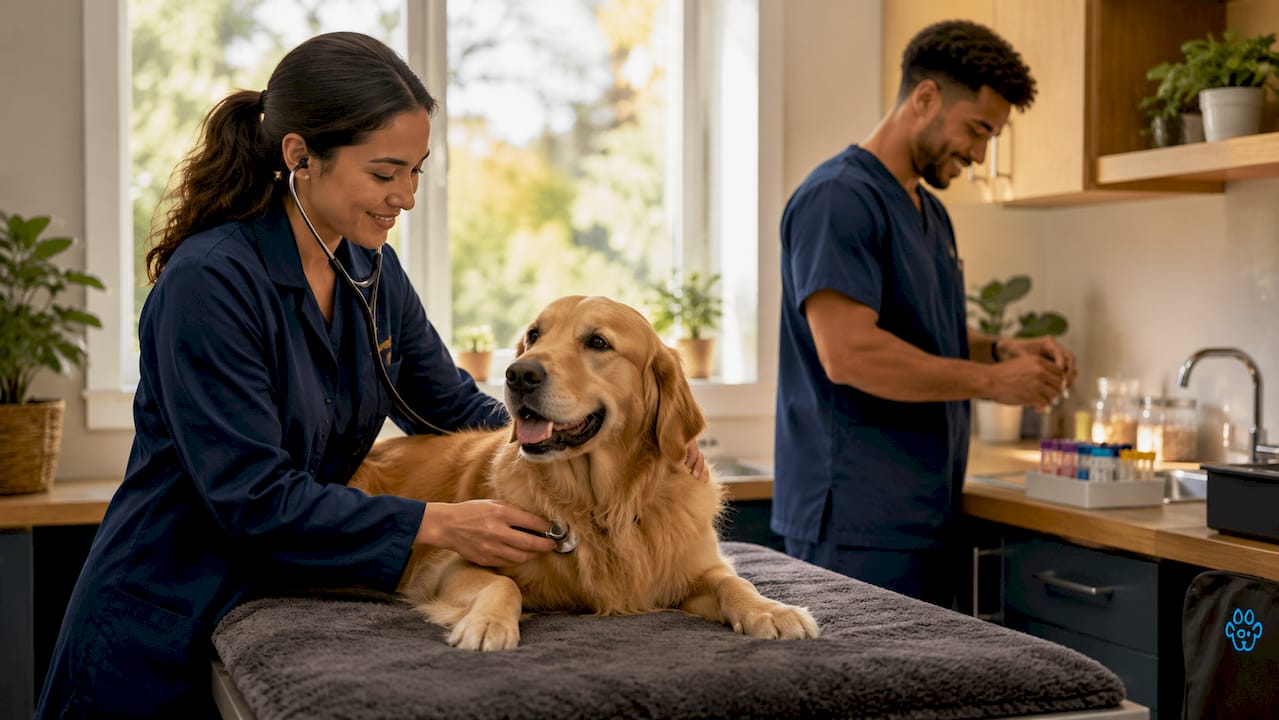
The industry term for this concept is a "wellness plan" or "health plan," though pet parents often search for it as a pet care plan. Both phrases describe the same thing: structured, prepaid access to routine care services.
What routine services and treatments does a pet care plan usually cover?
Most wellness plans bundle the following core services:
- Annual or biannual wellness exams: A full nose-to-tail checkup by a licensed veterinarian.
- Core vaccinations: Rabies, distemper, parvovirus, and other age-appropriate vaccines.
- Flea, tick, and heartworm prevention: Monthly preventive treatments that cost significantly more purchased individually.
- Intestinal parasite screening and deworming: Routine fecal tests and treatment.
- Dental cleanings: Many plans include at least one cleaning per year, which is one of the most commonly skipped yet most important services.
- Basic bloodwork: Especially valuable for senior pets, where early detection of kidney or liver issues can add years to their lives.
Plans also vary by life stage. A kitten or puppy plan front-loads vaccinations and spay or neuter discounts. A senior pet plan prioritizes bloodwork, joint supplements, and more frequent exams. Optional add-ons like behavioral consultations or nutrition counseling are available through some providers but are not standard.
Pro tip: Compare the individual retail cost of each service in a plan against the monthly fee before signing up. Most pet parents find they save money on routine services versus paying individually, especially once dental cleanings are factored in.
How is a pet care plan different from pet insurance?
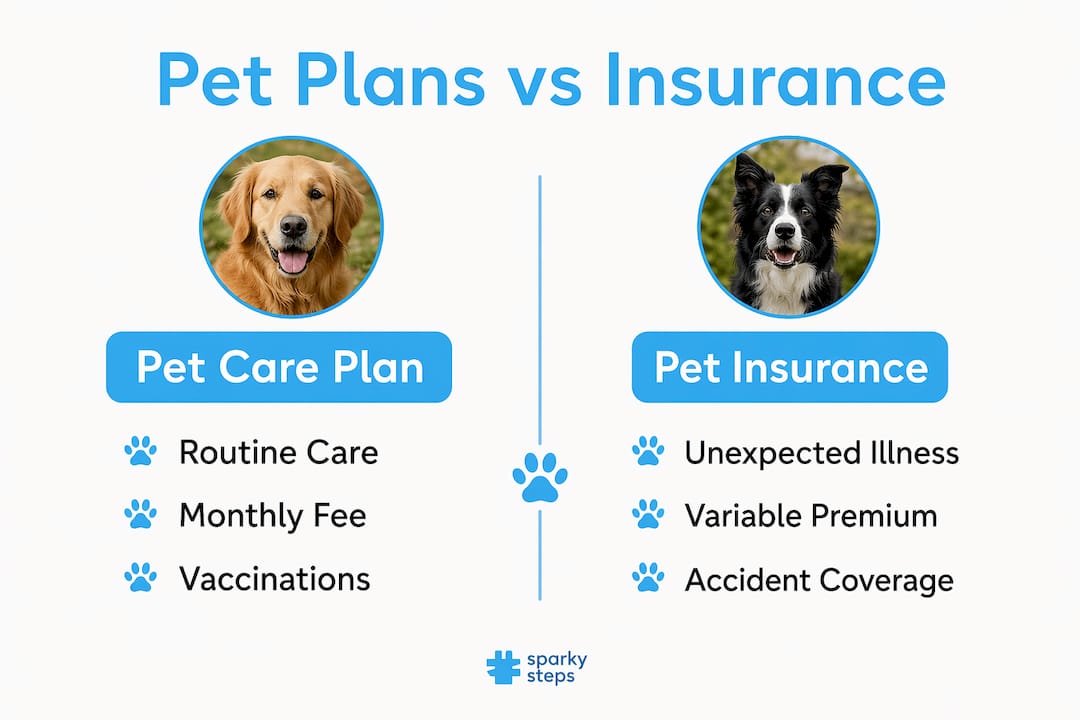
Pet insurance and pet care plans are not the same thing, and confusing them is one of the most common mistakes pet parents make. Pet insurance covers unexpected events like accidents, surgeries, and illness. A wellness plan covers the predictable, routine care your pet needs every year regardless of whether anything goes wrong.
Here is a side-by-side comparison:
| Feature | Pet care plan | Pet insurance |
|---|---|---|
| Purpose | Routine preventive care | Unexpected accidents and illness |
| Cost structure | Fixed monthly subscription | Monthly premium plus deductible |
| Coverage type | Wellness exams, vaccines, parasite control | Emergency surgery, hospitalization, diagnostics |
| Claim process | No claims needed; services are prepaid | Submit claims for reimbursement |
| Best for | Predictable annual health maintenance | Financial protection against large, surprise bills |
The smartest approach is to use both. Health plans and insurance complement each other to provide full-spectrum coverage. Your wellness plan handles the known, recurring costs. Your insurance handles the “please don’t let this happen” moments. Together, they cover your pet from every angle.
A scenario worth considering: your dog needs a dental cleaning ($400 out of pocket) and then swallows a sock and needs emergency surgery ($3,000). A wellness plan covers the cleaning. Pet insurance covers the sock situation. Neither alone would have handled both. Why do dogs eat socks? Nobody knows. But a good plan means you are ready either way.
What is a daily pet care routine plan and why does consistency matter?
A pet care routine plan is a structured daily schedule covering feeding, exercise, grooming, and mental stimulation. It's not glamorous, but it's one of the most powerful things you can do for your pet's long-term health. Consistent routines reduce pet anxiety and make it easier to detect health changes early, because you notice when something is off from the norm.
Pets are creatures of habit. A dog who eats, walks, and sleeps on a predictable schedule is a calmer, healthier dog. A cat who gets playtime at the same hour each evening is less likely to redecorate your couch at 3 a.m. Consistency is not just comforting for pets: it's medically beneficial.
A simple daily checklist for dogs
A sustainable daily checklist beats an elaborate one every time. Here's a practical framework:
- Morning feeding: Measure portions consistently. Free feeding makes it hard to notice appetite changes.
- Morning walk or exercise: 20 to 45 minutes depending on breed and age.
- Midday check-in or walk: Especially important for puppies and high-energy breeds.
- Evening feeding: Same time each day.
- Evening playtime or training: 10 to 15 minutes of mental stimulation.
- Grooming check: A quick brush or coat inspection catches skin issues early.
- Bedtime routine: Consistent sleep location and time reduces nighttime restlessness.
For cats, the checklist is shorter but the principle is identical: feed at set times, provide daily interactive play, and check the litter box for changes in frequency or consistency.
Routine plans work best as living documents. Review your pet's schedule quarterly to adjust for seasonal changes, aging, or shifts in your own lifestyle. A senior dog may need shorter, more frequent walks instead of one long run. A kitten becomes a calmer adult cat and needs less frantic playtime. Adjust accordingly.
Pro tip: Keep your routine simple enough that a trusted friend or professional walker can follow it without a 20-minute briefing. If your care instructions need a table of contents, simplify them.
What is a pet care service agreement and why do you need one?
A pet care service agreement is a legal contract between a pet parent and a care provider, such as a dog walker, pet sitter, or boarding facility, that defines the scope of services, payment terms, and emergency protocols. The industry term is a “pet sitting contract,” and it legally defines care scope, payment, and emergency protocols to protect both parties.
A well-written agreement is not just paperwork. It is the single source of truth that prevents misunderstandings and keeps the relationship professional. When expectations are written down, nobody has to rely on memory.
What a solid service agreement should include
- Full names and contact information for both the pet parent and the care provider.
- Detailed service description: Exact services, visit frequency, duration, and location.
- Fee structure and payment terms: Rate per visit, payment method, and late payment policy.
- Cancellation policy: Notice required and any applicable fees.
- Emergency veterinary authorization: Written permission for the provider to seek emergency care and a spending limit.
- Health and vaccination records: Confirmation that the pet is current on required vaccines.
- Independent contractor status: Clarification that the provider is not an employee, which matters for tax and liability purposes.
Pet sitting contracts reduce disputes and improve professionalism across the board. They also protect the pet parent. If a walker arrives and your dog has an allergic reaction, a signed agreement with emergency authorization means care happens immediately, without a frantic phone call to get verbal permission.
One often-overlooked element: legal directives for pet care if you become incapacitated. Standard wills rarely ensure immediate or adequate pet care. A pet trust or guardian clause in your estate planning fills that gap. It is a sobering topic, but a complete pet care plan addresses it.
When hiring a professional dog walker for the first time, always ask for a written agreement before the first visit. A provider who resists putting terms in writing is a provider worth reconsidering.
Key Takeaways
A complete pet care plan combines a preventive wellness subscription, a consistent daily routine, and a formal service agreement to protect your pet’s health at every level.
| Point | Details |
|---|---|
| Pet care plan definition | A subscription-based service covering routine preventive care like exams, vaccines, and parasite control. |
| Plan vs. insurance | Wellness plans cover predictable costs; pet insurance covers unexpected emergencies. Use both for full coverage. |
| Daily routine matters | Consistent feeding, exercise, and grooming schedules reduce anxiety and help detect health changes early. |
| Service agreements protect everyone | A written contract defines services, fees, and emergency protocols, preventing disputes before they start. |
| Review and update regularly | Adjust your pet’s routine and care plan quarterly to match aging, seasonal changes, and new health needs. |
What I have learned after 10 years of watching pet care plans succeed and fail
By Michael Jaurigue, co-founder of Sparky Steps
"After a decade of working with pet parents across Chicago’s North Side, I have noticed a clear pattern. The pet parents whose fur babies thrive are not necessarily the ones with the most expensive plans. They are the ones who combine three things: a solid preventive care routine with their vet, a simple and consistent daily schedule at home, and a trusted, professional care team they have actually vetted.
The biggest mistake I see? Pet parents treat a wellness plan as a “set it and forget it” checkbox. They sign up, feel good about it, and then never revisit whether the plan still fits their pet’s needs. A plan that worked for a two-year-old Labrador is not the right plan for that same dog at nine. Life changes. Pets age. Plans need to keep up.
The second mistake is skipping the written agreement when hiring a walker or sitter. I understand the impulse. You meet someone, they seem great, your dog likes them, and a formal contract feels awkward. But a trustworthy pet sitter welcomes a written agreement. It protects them too. If a provider is uncomfortable with paperwork, that tells you something important.
The third thing I have learned: simplicity wins. The most elaborate care plans I have seen often fall apart the moment the pet parent travels or gets busy. A plan your dog walker can follow without a 20-minute orientation is a plan that actually gets executed. Keep it clear, keep it consistent, and update it every few months. That is the real secret to long-term pet wellness."
— Michael Jaurigue
Sparky Steps and your pet care plan
Building a pet care plan is the first step. Having a care team you can trust to execute it is the next one.
Sparky Steps has served 250+ Chicago pet parents across neighborhoods like Albany Park, Andersonville, Ravenswood, and Roscoe Village since 2016. Every visit includes real-time updates via DoTimely: GPS tracking, photos, and visit notes sent directly to you. The same trusted walkers show up every time, because your pet deserves a familiar face, not a stranger from an app.
If you're ready to put a real care routine in place, we'd love to meet your pet. Start with a free meet and greet and see how it feels. ❤️
FAQ
What is a pet care plan in simple terms?
A pet care plan is a monthly subscription that covers routine preventive veterinary services like exams, vaccines, and parasite control. It is not insurance: it covers the predictable, recurring care your pet needs every year.
How is a pet wellness plan different from pet insurance?
A wellness plan covers routine, scheduled care at a fixed monthly cost. Pet insurance covers unexpected accidents and illness through a premium and deductible system. Using both together provides complete financial and medical coverage for your pet.
What should a pet care service agreement include?
A pet care service agreement should include the services provided, visit schedule, fees, cancellation policy, emergency veterinary authorization, and a clear statement of the provider's independent contractor status.
How often should I update my pet's daily care routine?
Quarterly reviews are the standard recommendation. Adjust feeding amounts, exercise duration, and stimulation activities as your pet ages or as seasons change.
Do I need a written contract with my dog walker?
Yes. A written pet care service agreement protects both you and your walker by clearly defining expectations, fees, and emergency protocols. A provider who is licensed, bonded, and insured will always welcome a formal agreement.
Written by the Sparky Steps Team.
Authorship Note
The content above aligns with the values of Sparky Steps LLC. While our trusty artificial intelligence helped organize the article, whip up some fun images, and translate ideas into clear, practical language, the final masterpiece is a delightful collaboration between passionate human writers who adore animals and a sprinkle of artificial intelligence magic. Remember, if you think writing is easy, try typing with paws!


