


German Shorthaired Pointers don't do anything halfway. They point with their whole body, run with their whole heart, and love their families with everything they have left. The AKC calls them the "perfect pointer," and GSP owners will tell you that barely scratches the surface. This is the complete guide to one of America's top ten most popular breeds: the history, the personality, the realities of daily life, and everything you need to know before bringing one home.
A history built for the field
German Shorthaired Pointers were developed in Germany during the 17th century, though the modern breed as we know it took shape in the 19th century. German hunters had a specific goal: a single dog versatile enough to point, flush, and retrieve across all types of terrain and game, from upland birds to rabbits, raccoons, and even deer. They weren't building a specialist. They were building a Swiss Army knife with fur.
The breed descended from Spanish Pointers crossed with German Bloodhounds and later refined with English Pointer bloodlines to produce a more elegant, athletic dog. Prince Albrecht zu Solms-Braunfels of the Royal House of Hanover played a central role in the breed's development, encouraging breeders to prioritize function over form. The result was a lean, powerful dog that could work all day in any conditions and come home and sit with the family at night.

Dr. Charles Thornton of Montana imported the first known GSP to the United States in 1925 and began breeding them. The American Kennel Club officially recognized the breed in 1930. By 2026, the GSP ranks in the top 10 most popular breeds in the United States, a remarkable rise for a dog that was practically unknown in America a century ago.
What a GSP looks like
The German Shorthaired Pointer is a medium to large breed that looks exactly like what it is: a lean, muscular athlete built for endurance and speed. Males stand 23 to 25 inches at the shoulder and weigh 55 to 70 pounds. Females are slightly smaller at 21 to 23 inches and 45 to 60 pounds. The build is square or slightly longer than tall, with a deep chest, a strong back, and powerful hindquarters.
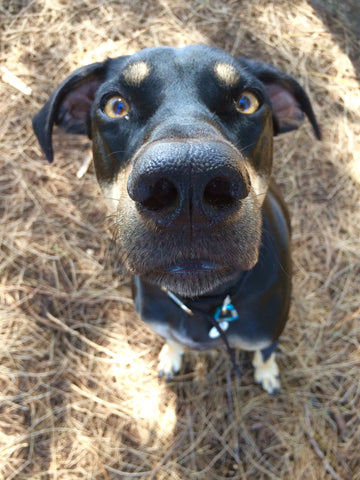
The head is one of the breed's most distinctive features: a broad, slightly rounded skull, a long muzzle designed for carrying game, and an expression that the breed standard describes as "intelligent and animated." The eyes are brown, ranging from light amber to dark, and always alert. The ears are broad, set high, and hang flat against the head.

The coat is short, dense, and practical. It doesn't insulate the way a double coat does, but it's tough enough for field work, repels dirt reasonably well, and dries fast after water activities. Standard colors recognized by the AKC include:
- Liver: a rich reddish-brown, solid
- Liver and white: the most common combination, with the dappled and ticked patterns that give GSPs their distinctive spotted beauty
- Black and white: less common but striking
- Liver roan: an intermingling of liver and white hairs throughout the coat
The head and ears are almost always a solid dark color even when the body is spotted or ticked. Some GSPs have large patches, others have fine speckles like a quail egg. Tails are traditionally docked to about 40% of their original length, though this practice is increasingly uncommon and banned in many countries.
Temperament and personality
GSPs are friendly, intelligent, and genuinely affectionate. They bond deeply with their families and want to be involved in everything happening around them. This is not a dog that thrives in the backyard while the family is inside. They are people dogs in the truest sense, and isolation is one of the fastest ways to turn a well-behaved GSP into a destructive one.
Their energy is one of the first things new GSP owners mention. It's not just high-energy in the puppy sense: adult GSPs retain significant drive and enthusiasm well into their later years. They're playful and exuberant, and they express affection physically, leaning into you, following you, and finding a way to be near you at all times. If you sit down, a GSP will find a way to be in your lap or beside you within about 30 seconds.
They're excellent with children, especially active kids who want a dog that will actually play with them rather than nap nearby. Their size and exuberance means supervision with very young children is sensible. They generally get along well with other dogs. Small animals are a different story: the prey drive is real, and cats and small pets should be introduced carefully and monitored.
With strangers, GSPs are typically friendly rather than reserved. They make alert watchdogs in the sense that they'll notice and announce anything unusual, but they're not guard dogs by temperament.
[[play-game]]Exercise and daily needs
This is the section that determines whether a GSP is right for you. They need one to two hours of vigorous physical activity every day, and "vigorous" means actual running, swimming, or fieldwork, not a slow neighborhood stroll. An adequately exercised GSP is calm, manageable, and wonderful to live with. An underexercised one will redecorate your furniture, dig up your yard, and invent creative solutions to boredom that you will not enjoy.
The breeds that consistently top the "most active dogs" lists include the GSP, and they earned that ranking. Running, swimming, hiking, fetch, agility, dock diving, and field work are all natural outlets for this breed. They make exceptional running partners and will happily pace a cyclist. Mental stimulation through training, nose work, and puzzle activities complements physical exercise in a way that's essential for a breed this intelligent.
One note on puppies: the growth plates in large breed puppies aren't fully closed until 18 months or so. Long runs and high-impact jumping should wait until then. Short play sessions, leash walks, and training work fine during the puppy phase without stressing developing joints.
For Chicago pet parents specifically: GSPs adapt to city living better than many high-energy breeds, provided they get real exercise. The North Branch Trail, Montrose Dog Beach, and the various off-leash areas on the North Side give a GSP what they need. The breed handles Chicago winters reasonably well despite the short coat, though they get cold faster than double-coated breeds and may need a jacket on genuinely frigid days.
Training
GSPs are highly intelligent and eager to please, which makes them very trainable. They pick up commands quickly, remember what they've learned, and respond well to positive reinforcement. Early obedience training is not optional with this breed: a 65-pound dog that hasn't learned basic manners is a significantly harder problem than a 15-pound one.
Their intelligence also means they get bored with repetitive training. Varying sessions, increasing complexity, and introducing new challenges keeps a GSP engaged. They're natural candidates for advanced obedience, agility, tracking, and any sport that lets them use their nose and their drive.
Socialization from puppyhood is essential. A GSP who has been broadly exposed to people, places, and situations is confident and adaptable. One who hasn't can become anxious or reactive in unfamiliar environments, which doesn't suit a breed this energetic. Puppy classes are a genuinely good investment for this breed, both for the socialization and for establishing positive training habits early.
One caution: occasional stubbornness is a GSP trait, particularly when something interesting is in the air. A dog with field instincts can hit selective hearing when a squirrel moves. Strong recall training from early on is worth the investment, as is a reliable "leave it" command.
Grooming
One of the GSP's genuine practical advantages is the coat. It's short, low-maintenance, and forgiving. Weekly brushing with a rubber curry brush or grooming mitt removes loose hair and keeps the coat shiny. They shed moderately year-round with slightly heavier shedding in spring and fall, but nothing approaching the volume of double-coated breeds.
Bathing every four to six weeks is typically sufficient unless they've found something compelling to roll in, which GSPs have a talent for. The coat dries quickly after water activities.
Ear care deserves attention: the floppy ears trap moisture and can be prone to infections, especially in dogs who swim regularly. Check ears weekly and clean as needed. Nails should be trimmed monthly. Dental care follows the standard recommendation of several brushings per week plus annual professional cleanings. Their eyes should be checked regularly for discharge or irritation, particularly given the breed's predisposition to certain eye conditions.
Nutrition
GSPs are four-legged athletes, and their diet should reflect that. A high-quality food meeting AAFCO standards, formulated for large active breeds, is the baseline. Many GSP owners find a high-protein sport formula suits their dogs well, particularly those with significant daily exercise demands.
Feeding twice daily rather than one large meal is important for this breed specifically because of their bloat risk. Divide the daily portion into two meals, don't elevate the food bowl, and avoid vigorous exercise for at least an hour before and after eating. Using a slow-feeder bowl if your dog eats quickly is a worthwhile precaution.
Puppies need a large-breed puppy formula to support controlled, steady growth. Transition to adult food gradually between 12 and 18 months. Weight management matters throughout their lives: a lean GSP puts less stress on joints and has better long-term health outcomes than an overweight one.
Health considerations
GSPs are a generally healthy breed with a lifespan of 10 to 12 years. But several inherited conditions are prevalent enough in the breed that owners should know them going in.
- Bloat (gastric dilatation-volvulus): The most urgent health risk for deep-chested breeds. The stomach fills with gas and can twist, cutting off blood flow. It's a life-threatening emergency requiring immediate veterinary care. Signs include unproductive retching, a distended abdomen, restlessness, and distress. Prophylactic gastropexy surgery (stomach tacking) can be performed to prevent twisting and is worth discussing with your vet, especially if you plan field work or vigorous activity with your dog.
- Hip dysplasia: Improper development of the hip joint leading to pain, arthritis, and reduced mobility. Responsible breeders screen with OFA evaluations. Ask for documentation on both parents.
- Cone degeneration (CD): A genetic eye condition causing progressive vision loss in bright light. A DNA test screens for the defective gene. Reputable breeders test for it. Ask directly.
- Subaortic stenosis (SAS): A narrowing of the aortic valve that forces the heart to work harder, potentially leading to heart failure if untreated. Often detected as a heart murmur in young dogs during routine exam. Mild cases may not require treatment; severe cases need lifelong management.
- Lymphedema: A condition where the lymphatic system doesn't drain properly, causing swelling in the limbs. Less common but documented in the breed.
Annual wellness exams, prompt attention to changes in energy or appetite, and a vet familiar with sporting breeds are the practical foundation of a long, healthy GSP life. Pet insurance is worth serious consideration given the bloat risk alone, which can result in emergency surgery costs of several thousand dollars.
Cost of owning a GSP
GSPs are a popular breed, which means they're not difficult to find but also means they attract unscrupulous breeders. Do your homework.
Purchase price from a responsible breeder typically runs $800 to $1,500 depending on lineage and location. Adoption through Illinois Shorthair Rescue is a worthwhile option for Chicago-area families, with fees generally running $200 to $400.
Typical annual costs for a GSP in Chicago:
- Veterinary care: Routine wellness for a healthy adult runs $500 to $900 per year. Emergency care or chronic conditions add significantly. The bloat risk makes pet insurance especially worth the monthly premium.
- Food: A large active dog on a quality high-protein diet typically costs $70 to $120 per month.
- Grooming: Minimal. One or two professional appointments per year plus your own weekly brushing supplies.
- Dog walking or daycare: Essential for full-time working owners. A GSP alone all day is a problem. Professional walking in Chicago typically runs $20 to $30 per visit.
- Pet insurance: Strongly recommended. Monthly premiums for a large breed with solid coverage typically run $50 to $90.
Is a GSP right for you?
The honest checklist:
- You're active and outdoorsy, or genuinely committed to becoming so
- You can provide one to two hours of real exercise daily
- You're home enough that your dog isn't alone for eight-plus hours every day without a midday break
- You want a dog that's involved in your life, not just present in it
- You have the patience and interest for consistent training
If that list describes you, a GSP will be one of the most rewarding dogs you ever own. They're loyal, joyful, brilliantly athletic, and they love their people with an intensity that's hard to describe until you've experienced it.
If several items on that list give you pause, it's worth being honest with yourself. GSPs in the wrong home are among the most frequently surrendered sporting breeds, not because they're bad dogs but because their needs are genuinely demanding. The right home makes them extraordinary.
Watch: German Shorthaired Pointer breed overview
This video from the AKC and Pack Talk Podcast gives a great overview of what GSPs are really like to live with:
Quick reference: GSP at a glance
| Characteristic | Details |
|---|---|
| Size | Medium-large: 45 to 70 lbs, 21 to 25 inches tall |
| Lifespan | 10 to 12 years |
| Coat | Short, dense; liver/white or black/white with ticking and patches |
| Temperament | Friendly, intelligent, energetic, loyal, affectionate |
| Exercise needs | Very high: 1 to 2 hours vigorous activity daily |
| Grooming | Low maintenance: weekly brushing, occasional bathing |
| Trainability | Very high: eager to please, learns quickly |
| Good with children | Yes, especially active kids; supervision with toddlers |
| Good with other dogs | Generally yes with socialization |
| Good with cats/small pets | Variable: prey drive requires careful management |
| Alone time tolerance | Low: needs company or midday care if owner works full-time |
| AKC popularity rank (2026) | #10 |
| Best for | Active families, hunters, runners, outdoor adventurers |
| Not ideal for | Sedentary households, first-time dog owners without strong commitment |

Walking a GSP in Chicago
A GSP who doesn't get enough exercise isn't a behavior problem. They're just a breed living in the wrong conditions. If you're a GSP owner on Chicago's North Side who needs consistent midday walks or structured exercise while you work, Sparky Steps has been serving the neighborhood since 2016. Our care teams build real familiarity with each dog: the same trusted walkers at every visit, with real-time GPS tracking, photos, and visit notes sent to you through DoTimely after every outing. 🐾
FAQ
Are German Shorthaired Pointers good family dogs?
Yes, for the right family. They're loyal, affectionate, and great with active children. Their energy level and size require a household that can meet their exercise needs. For active families who spend time outdoors, GSPs are exceptional companions.
How much exercise does a GSP need?
One to two hours of vigorous exercise daily. Running, swimming, fetch, hiking, and field work all suit the breed well. A walk around the block twice a day is not sufficient for this breed and will result in behavioral problems.
Are GSPs good apartment dogs?
With serious commitment to daily vigorous exercise, yes. Without it, no. They're calmer indoors than their energy level suggests, but their needs don't shrink because the space does. A GSP in a Chicago apartment with a committed owner who runs daily and provides midday walks can thrive.
Do German Shorthaired Pointers shed a lot?
Moderately. The short coat means individual hairs rather than clumps, and weekly brushing keeps it very manageable. They're not a heavy-shedding breed by sporting dog standards.
What are the most common health problems in GSPs?
Bloat (GDV) is the most urgent risk and requires knowing the warning signs. Hip dysplasia, cone degeneration (a genetic eye condition), and subaortic stenosis (a heart valve condition) are the other significant inherited concerns. Responsible breeders screen for all of these. Pet insurance is strongly recommended.
Are GSPs easy to train?
Yes, for experienced owners using positive reinforcement. They're highly intelligent and eager to please, which makes training rewarding. Occasional stubbornness, particularly when field instincts kick in, requires consistent recall training from early on.
Where can I adopt a GSP in Illinois?
Illinois Shorthair Rescue places GSPs throughout the state and is the primary breed-specific rescue for the Chicago area. Adult adoption fees typically run $200 to $400. Many rescue GSPs are already past the demanding puppy phase and make excellent companions for experienced dog owners.
Written by Carrie Pallardy. Sources: American Kennel Club, Illinois Shorthair Rescue. Updated for 2026 by the Sparky Steps team.


