


Your Chicago pet care checklist at a glance
Chicago pet parents deal with things most pet guides never mention: sidewalks coated in ice melt, lake-effect wind chills that hit before you have grabbed a jacket, and apartment buzzer systems that confuse even the most experienced walkers. A solid pet care checklist for Chicago life covers the daily basics and the city-specific curveballs.
Here is what belongs on every Chicago pet parent's list:
- Daily feeding: consistent times, pre-measured portions, written instructions for anyone covering for you
- Walks and exercise: at least two walks daily for dogs, with route adjustments for extreme weather
- Playtime and mental stimulation: puzzle feeders, training games, or a good game of fetch in the hallway (your neighbors will understand)
- Grooming basics: brushing, ear checks, and paw inspection after every outdoor walk
- Medications: timed doses logged in writing, never left to memory
- Vet visits: at least annually per AAHA and AVMA guidelines, more often for seniors or pets with health conditions
- Parasite control: year-round broad-spectrum coverage against heartworms, intestinal parasites, and fleas
- Seasonal gear: paw balm, a dog jacket, and quick-dry towels near the door
- City licensing: Chicago requires a current dog license, so keep it updated annually
- Emergency prep: a go-bag with food, medications, and your vet's contact info, plus knowledge of pet-friendly emergency shelters in your area
One habit that saves everyone time: keep a single laminated care card on your fridge with feeding times, medication doses, emergency contacts, and building access info. Anyone stepping in for you, whether a neighbor or a professional walker, can get up to speed in 60 seconds.
How to prepare your pet sitter for Chicago life
Getting a pet sitter ready is not just about handing over a key. In Chicago apartments, there are layers: buzzer codes, elevator quirks, which door sticks in the cold. Confirming building access codes and storing leashes, harnesses, and waste bags in one consistent spot prevents last-minute chaos and keeps visits running on time.
Here is what your sitter needs in writing before their first visit:
- Feeding schedule with exact amounts and any dietary restrictions
- Medication timing, dosage, and how to administer (pill in peanut butter? We see you.)
- Walk route preferences and any streets or dogs to avoid
- Behavioral notes: fear triggers, favorite toys, how your pet greets strangers
- Emergency vet contact and your personal phone number with time zone if you are traveling
- Building entry instructions, including backup access if the buzzer fails
- Preferred walk times (consistency matters, especially for dogs with anxiety)
Consistent feeding and medication schedules reduce stress and errors in busy urban routines. Written instructions and pre-measured portions remove guesswork and build real trust between pet parents and their care team.
For follow-up, ask your sitter to send a quick note or photo after each visit. With Sparky Steps, that happens automatically through DoTimely: GPS tracking, photos, and visit notes delivered directly to you after every single visit.
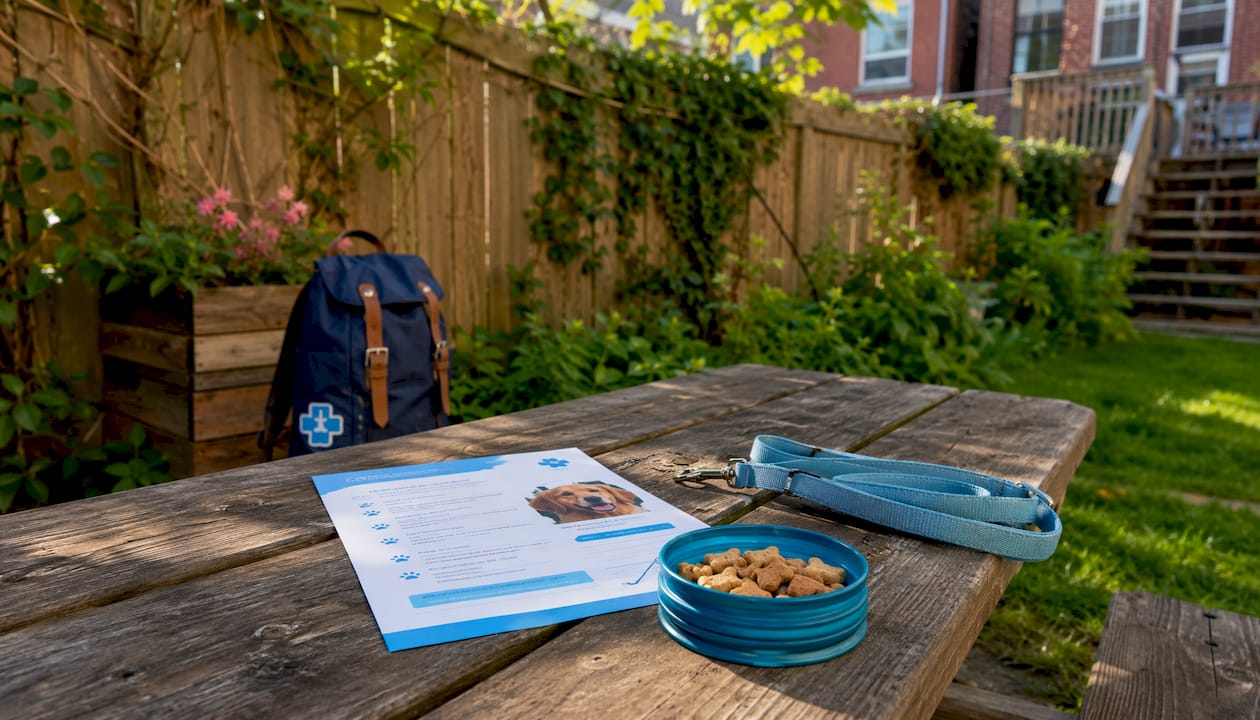
Schedule annual vet exams and stay current on vaccines
AAHA and AVMA guidelines call for a veterinary exam at least once a year for all dogs and cats, with more frequent visits based on individual health needs. Think of it like a physical for your dog: the earlier a problem is caught, the easier and less expensive it is to treat. The AVMA puts it plainly: an ounce of prevention is worth a pound of cure.
Keep parasite control going all year
Chicago's seasons do not pause heartworm risk. AAHA and AVMA recommend year-round broad-spectrum parasite control covering heartworms, intestinal parasites, and fleas for every dog. Tick control should be customized based on your dog's lifestyle and risk level, especially if you frequent Lincoln Park, Montrose Beach, or any off-leash area.
Protect paws from Chicago's streets
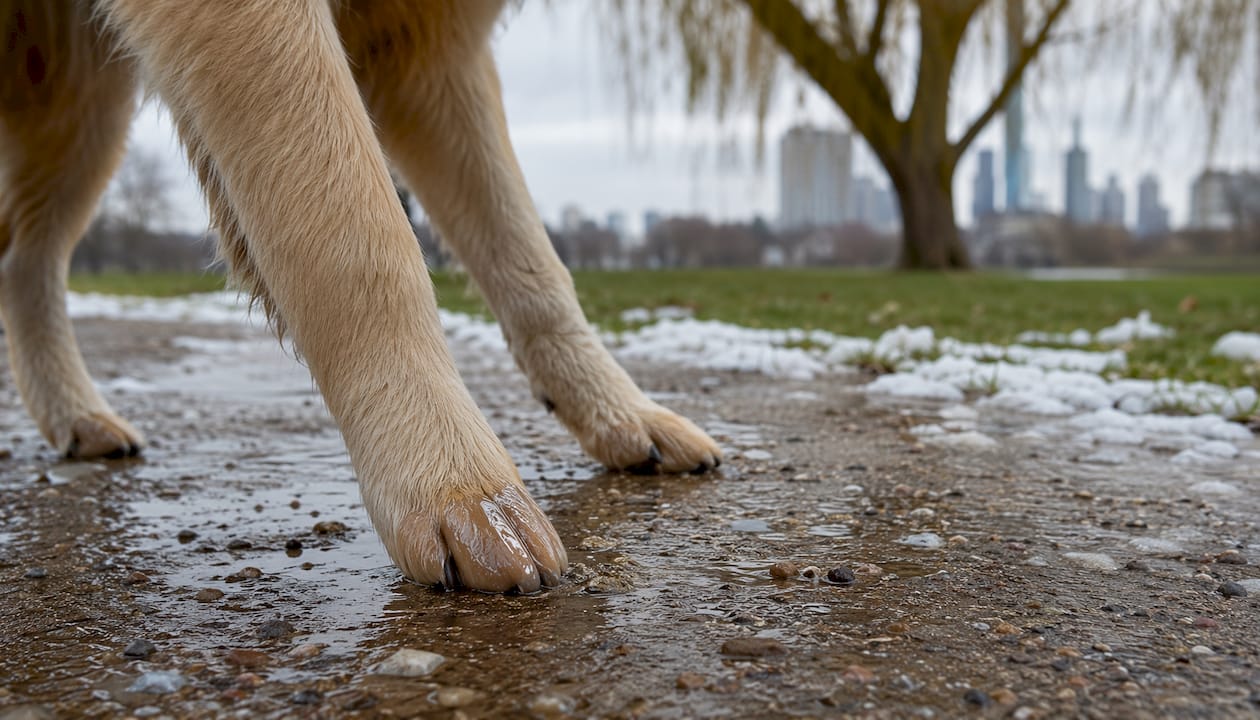
Salt, ice melt chemicals, and spring allergens are rough on paw pads. Paw protection balm applied before walks and a thorough wipe-down after keeps pads from cracking and reduces allergen tracking into your home. For dogs who will not tolerate boots, balm is non-negotiable in winter. Take a look at the Sparky Steps guide on protecting your pup's paws for specific product tips.
Watch for seasonal allergy symptoms
Chicago dogs often develop seasonal allergy symptoms in spring: paw licking, scratching, red eyes, and sneezing. Wiping paws after every walk, washing bedding weekly, and changing air filters regularly all help reduce the allergen load at home. If symptoms persist, your vet can recommend antihistamines or other interventions before things escalate.
Build an emergency preparedness plan
Know your nearest 24-hour emergency vet before you need one. Keep a pet go-bag stocked with three to five days of food, any medications, copies of vaccination records, and a recent photo of your pet. Chicago's Office of Emergency Management and Communications maintains resources for residents during weather emergencies, so check their site for current pet-friendly shelter information.
How Chicago's seasons should change your pet care routine
Chicago does not ease you into season changes. One week it is 60°F, the next there is four inches of snow. Base your gear transitions on temperature patterns, not the calendar. When daytime temps consistently stay above 45°F, you can ease off the heavy winter gear. Below that, paw balm and a jacket are still in play.
A few seasonal adjustments that actually make a difference:
- Winter: Apply paw balm before walks, rinse paws after, and limit time outside during wind chills below 20°F
- Spring thaw: Set up a mud management station near your entryway with towels, pet-safe cleaning spray, and a folded mat to protect your floors
- Summer: Walk dogs early morning or after 7:00 PM to avoid hot pavement, and check asphalt temp with your hand before heading out
- Fall: Watch for increased anxiety in pets as daylight shortens and routines shift with school schedules
A small thing that pays off daily: keep a basket by your front door year-round with paw balm, a quick-dry towel, and waste bags. You will use it every single day, and your floors will thank you.
What ten years of Chicago pet care has taught us
By Michael Jaurigue, co-founder of Sparky Steps
"After ten years of doing this in Chicago, the thing that separates a calm pet from a stressed one is almost never the gear or the checklist. It is the routine. When a dog knows the same person is coming at the same time every day, the anxiety drains right out of them, and honestly, it drains out of their people too."
- Michael Jaurigue
A few things the Sparky Steps care team sees make the biggest difference for Chicago pet parents:
- Same walkers, every time: Pets adjust faster and behave better with familiar faces. Strangers from a random app create stress, not comfort.
- Real-time updates: DoTimely sends GPS tracking, photos, and visit notes after every visit. Pet parents who travel for work tell us this is the feature that lets them actually focus on their day.
- Senior pet planning: The 2023 AAHA Senior Care Guidelines emphasize customized care plans for aging pets. If your dog or cat is entering their senior years, talk to your vet about adjusted exercise, nutrition, and monitoring schedules. Sparky Steps walkers are briefed on each senior pet's specific needs.
- Proactive wellness tracking: Use a pet care app to log vet visits, medications, and behavioral changes over time. Patterns you would never notice day-to-day become obvious when they are tracked.
Chicago pet resources worth knowing
Finding reliable, local resources is half the battle for Chicago pet parents. Here is where to start:
Veterinarians: The AAHA hospital locator helps you find accredited practices near you. On the North Side, neighborhoods like Andersonville, Ravenswood, and Lincoln Square have several well-regarded clinics.
Groomers: Sparky Steps maintains a curated list of Chicago dog groomers trusted by the pet parents we work with. Regular grooming, every 6 to 8 weeks for most breeds, keeps coats healthy and gives you a second set of eyes on your pet's skin and coat condition.
Parks and off-leash areas: Montrose Dog Beach, Wiggly Field in Lincoln Park, and Churchill Field in Bucktown are Chicago favorites. Always check the Chicago Park District site for current hours and any seasonal closures before heading out.
Pet sitting and walking: Sparky Steps offers trusted pet sitting across the North Side, with the same care team every time, real-time DoTimely updates, and pricing starting at $17 per visit.
Let Sparky Steps handle the daily part of the checklist
A checklist is only useful if someone actually runs it, day after day, through every Chicago season. Sparky Steps has done exactly that for 250+ North Side pet parents since 2016: the same trusted walkers, real-time updates through DoTimely after every visit, and a care team that is licensed, bonded, and insured. Visits start at $17, with 30-minute walks at $27. ❤️
Key takeaways
A complete Chicago pet care checklist combines daily basics, vet-backed preventive care, and city-specific seasonal adjustments to keep your pet healthy year-round.
| Point | Details |
|---|---|
| Annual vet exams are the baseline | AAHA and AVMA recommend at least one exam per year, with more frequent visits for seniors or pets with health conditions. |
| Year-round parasite control | Every dog needs broad-spectrum coverage against heartworms, intestinal parasites, and fleas regardless of season. |
| Seasonal gear beats the calendar | Transition paw balm and jackets based on temperature patterns, not dates. Ease off when daytime temps consistently stay above 45°F. |
| Written sitter instructions prevent errors | Pre-measured portions, medication timing, and building access info in writing reduce mistakes and build trust. |
| Routine reduces burnout | Fixed walk times and consistent care teams lower stress for both pets and pet parents in Chicago's urban environment. |
FAQ
How often should Chicago pets see a vet?
AAHA and AVMA guidelines recommend at least one veterinary exam per year for all dogs and cats, with more frequent visits for seniors or pets managing chronic conditions.
Does Chicago require a dog license?
Yes. The City of Chicago requires all dogs to be licensed annually. You will need proof of a current rabies vaccination to register, and licenses are available through the city's online portal.
What is the best way to protect my dog's paws in Chicago winters?
Apply paw protection balm before every walk and wipe paws thoroughly when you return home. For dogs who tolerate them, booties offer the most complete protection against salt and ice melt chemicals.
When should I switch my pet's seasonal gear?
Base the switch on temperature, not the date. When daytime temps consistently stay above 45°F, you can ease off winter gear. When they drop below that threshold, bring the balm and jacket back out.
What should I include in a pet emergency kit?
Pack three to five days of food, all current medications, copies of vaccination records, your vet's contact information, and a recent photo of your pet. Store it somewhere easy to grab quickly.


