

TL;DR:
- Finding insured dog walkers in Chicago ensures your pet’s safety, legal compliance, and peace of mind. Verifying their insurance credentials and understanding coverage limits protect you from costly incidents and liability risks. Trustworthy services like Sparky Steps prioritize transparency, professionalism, and consistent care for your furry family member.
You love your dog like family. So handing their leash to a stranger feels like a big deal. And it should. Finding an insured dog walker in Chicago is not just about convenience. It is about protecting your fur baby, your finances, and your peace of mind. Uninsured walkers might seem cheaper upfront, but one incident, a bite, an injury, a lost dog, can cost thousands without proper coverage in place. This guide walks you through exactly what insurance means, how to find trustworthy walkers, and how to verify they are the real deal before your pup takes a single step with them.
Table of Contents
- Key Takeaways
- What insurance really means for dog walkers
- How to find insured dog walkers in Chicago
- How to verify your dog walker’s insurance
- What to expect after hiring an insured dog walker
- My take on why insurance is non-negotiable
- Why Sparky Steps is Chicago’s trusted choice
- FAQ
Key Takeaways
| Point | Details |
|---|---|
| Insurance is legally required | Illinois law treats dog walkers as legal owners, making liability insurance a must-have. |
| Know what to ask for | Always request a certificate of insurance before booking any dog walking service. |
| Verification matters | Confirm coverage types and limits directly, never take a walker’s word for it. |
| Technology signals professionalism | GPS tracking and photo updates are standard features of reputable Chicago services. |
| Professional beats informal | Friends and neighbors often lack insurance, exposing you to real financial and legal risk. |
What insurance really means for dog walkers
Not all dog walkers are created equal, and neither is their insurance. Before you start your search, knowing the difference between bonded, insured, and licensed can save you from a very expensive mistake.
Insured means the walker carries a commercial liability policy. This covers injuries, property damage, or incidents that happen while your dog is in their care. Coverage levels typically range from $1 million to $2 million annually, and the annual premium for a dog walker usually runs between $200 and $400. That is actually a pretty affordable safety net when you think about what a single dog bite lawsuit can cost.
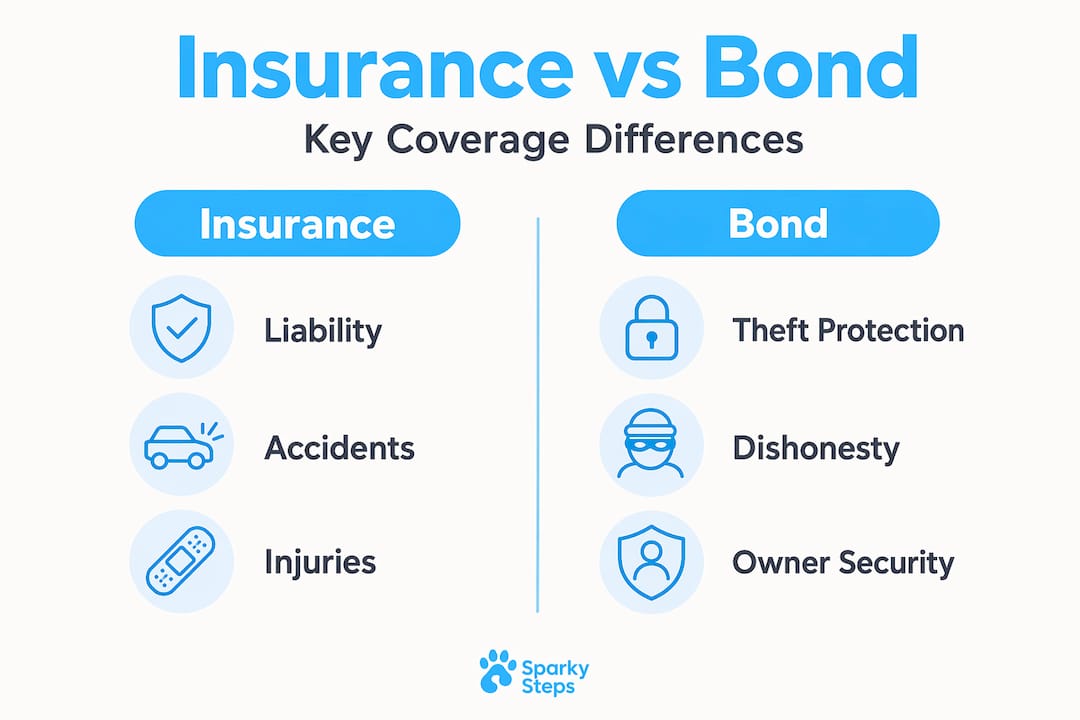
Bonded is separate. A bond protects you if the walker steals from your home. Good to have, but not a substitute for liability insurance.
Licensed means the walker has registered their business with the state or city. Illinois law requires dog walkers to maintain business licenses and carry liability insurance to avoid personal financial exposure. Failure to comply can lead to legal action.
Here is what the insurance landscape looks like for dog walkers in Chicago:
| Coverage type | What it covers | Who benefits |
|---|---|---|
| Commercial general liability | Dog bites, injuries, property damage | Pet owner and walker |
| Workers’ compensation | Injuries to the walker on the job | The walker |
| Bonding | Theft or dishonesty by the caregiver | Pet owner |
| Business license | Legal operation compliance | Both parties |
Under the Illinois Animal Control Act, dog walkers are classified as “owners” during care periods. That means they can be held legally liable for any bite or injury your dog causes. This is actually good news for you as the owner, because a properly insured walker becomes the primary financial buffer if something goes wrong.
Pro Tip: Ask potential walkers directly whether their liability policy specifically covers dog bites. General liability sometimes excludes animal-related claims, so confirm bite coverage is explicitly included.
How to find insured dog walkers in Chicago
Knowing what to look for is only half the battle. You still need to know where to look. Here is a practical, step-by-step approach to finding reliable dog walkers in Chicago who actually carry proper coverage.
-
Start with established local agencies. Companies with a physical presence in Chicago, like Sparky Steps, are more likely to carry the full insurance package. They have reputations to protect and legal accountability to uphold.
-
Check professional platforms carefully. Sites like Rover.com list individual walkers, but insurance coverage varies widely by person. Always filter specifically for insured walkers and verify their credentials independently.
-
Look for transparent websites. Reputable dog walking services in Chicago will display their insurance credentials, licensing information, and team bios on their websites. If a site buries this information or does not mention it at all, that is a signal worth paying attention to.
-
Ask about background checks. Professional services conduct vetting including criminal checks and registry reviews. If a walker cannot tell you what kind of background screening they have gone through, keep looking.
-
Request proof of insurance before the first meeting. A legitimate, insured dog walker will not hesitate to share their certificate of insurance. Hesitation or excuses here are a red flag.
-
Look for technology features. GPS tracking and photo updates are now standard features with professional Chicago dog walking services. If a walker is not using any communication tools, they may not be operating at a professional level.
-
Read Chicago dog walker reviews on Google, Yelp, and social media. Look for consistent themes in reviews. Reliability, punctuality, and communication show up in great reviews. Excuses and no-shows show up in the bad ones.
One thing people underestimate: asking your neighbors. Chicago neighborhoods like Lincoln Park, Wicker Park, and Logan Square have tight communities of dog owners. Word of mouth from someone who has already vetted a walker is gold.
How to verify your dog walker’s insurance
Finding a walker who claims to be insured is step one. Confirming it is step two, and it is not optional.
Pet owners should never assume a walker’s insurance covers bite-related claims without viewing and understanding the actual certificate of insurance. Here is what to check when you receive that document:
- Name of the insured: It should match the walker or their business name exactly.
- Policy effective dates: Confirm the policy is current. An expired certificate is worthless.
- Coverage types listed: Look for general liability and confirm animal-related incidents are included.
- Coverage limits: Anything under $1 million in general liability coverage is on the low end for professional dog walking.
- Name of the insurance provider: A real insurance certificate will list a recognizable carrier. You can call that carrier directly to verify the policy is active.
If a bite occurs while your dog is in their care, both the walker’s commercial insurance and your homeowner’s or renter’s policy may apply. Knowing the walker carries solid coverage means their policy takes the primary hit, not yours.
Some smart interview questions to ask during your vetting process:
- How long have you been working as a professional dog walker in Chicago?
- Have you ever had to file an insurance claim? How was it handled?
- What happens if my dog gets injured or becomes ill during a walk?
- Are you comfortable with me calling your insurance carrier to verify coverage?
Pro Tip: If a dog walker becomes defensive or evasive when you ask to call their insurer directly, walk away. Any professional who is genuinely insured will have zero problem with that request.
What to expect after hiring an insured dog walker
Once you have found and verified your walker, the working relationship takes over. Here is what a professional, insured dog walking experience in Chicago typically looks like day to day.
Reputable services offer transparent scheduling, consistent communication, and clear emergency protocols. You should receive:
- A service agreement outlining the schedule, rates, and cancellation policy
- Real-time updates during walks, typically via an app with GPS location and photos
- A clear protocol for emergencies, including which vet to contact and how quickly you will be notified
- Consistent use of the same walker so your dog builds a trusting routine
Consistency matters more than most owners realize. A dog who sees the same face every day is calmer, more cooperative, and generally happier. Look for a consistent dog walker rather than a rotating roster of strangers. Your pup will thank you for it, probably with zoomies.
If an incident occurs during a walk, an insured walker handles it differently than an uninsured one. They report it honestly, contact their insurance carrier, and work transparently with you to resolve the situation. Professional dog walking companies carry liability insurance specifically to ensure that bite victims or injured parties have a clear financial path to compensation, rather than a frustrating finger-pointing situation.

My take on why insurance is non-negotiable
I have been in the Chicago pet care world long enough to have seen what happens when things go wrong with uninsured walkers. The stories are not dramatic thrillers. They are just quietly awful.
A dog nips a passing child during a walk. The neighbor handing the leash has zero coverage. The family files a claim. Now the dog owner, not the walker, absorbs the cost because the walker’s liability is murky. I have seen this exact situation play out more than once. Professional dog walking eliminates those risks, while informal arrangements with friends or neighbors who lack insurance leave you exposed in ways most owners do not anticipate until it is too late.
What I keep coming back to is this: insurance is not just paperwork. It is a signal. It tells you that a walker takes their work seriously enough to invest in it. That they understand the legal environment in Chicago. That they have thought about what happens when things go sideways.
The pet owners I work with who feel most at ease are the ones who took 20 minutes to verify credentials before the first walk. The ones who feel anxious are almost always the ones who skipped that step. Building trust takes time, but verifying insurance takes almost none. Start there. Understand what pet sitting business structure means and why it reflects the level of professionalism you can expect from a caregiver.
— Michael
Why Sparky Steps is Chicago’s trusted choice
If you are looking for the best insured dog walker Chicago has to offer, Sparky Steps has been serving Chicago pet owners with fully insured, background-checked, and compassionate caregivers since 2016. Every walker on the team carries proper liability coverage, and you can verify it. Real-time app updates, GPS tracking, and photo reports come standard, because you deserve to know your fur baby is safe and happy, not just hope for the best.
Sparky Steps believes in the kind of care that feels personal, because your dog is not just a client. They are family. Whether you need daily walks, weekend coverage, or a consistent routine for your pup, explore Chicago’s trusted pet care options with Sparky Steps and find the right fit for your dog’s needs. You can also browse professional pet care guides to understand exactly what to expect from a fully insured service. Your dog deserves reliability. You deserve peace of mind. Sparky Steps delivers both.
FAQ
What insurance should a Chicago dog walker carry?
A professional dog walker in Chicago should carry commercial general liability insurance with at least $1 million in coverage, specifically including animal-related incidents. Bonding and a valid business license are additional signs of a legitimate operation.
How do I verify a dog walker’s insurance in Chicago?
Request the walker’s certificate of insurance and review the policy dates, coverage types, and carrier name. You can call the insurance company directly to confirm the policy is currently active.
Are dog walkers legally liable for bites in Illinois?
Yes. Under the Illinois Animal Control Act, dog walkers are treated as legal owners during care, making them liable for bite incidents and reinforcing why proper insurance coverage is a legal and financial necessity.
Is hiring an insured dog walker more expensive?
Professional insured services may cost slightly more than informal arrangements, but the security and legal protection they provide far outweigh the price difference, especially if an incident occurs.
What red flags should I watch for when hiring a dog walker?
Be cautious if a walker cannot provide a certificate of insurance, avoids questions about coverage, has no verifiable reviews, or resists a background check. These are signs they may not be operating as a legitimate professional service.
Written by the Sparky Steps Team.


