


Your dog decides within seconds whether the person at the door is safe. So do you, honestly. Trust is what turns a stranger with a leash into the reason your dog stays calm at the vet, cooperates with the groomer, and does a full-body wag when the walkers arrive. Without it, even the most skilled caregiver falls short. The pet parents who understand how trust actually gets built, and what to watch for, make better choices and sleep better at night. (So do the pets. They are judging too.)
What is the role of trust in pet services?
Trust in pet services is the confidence you place in a caregiver to act with honesty, consistency, and real care for your animal. It is not just about credentials. It shows up in every interaction, from the first phone call to the photo sent after a visit. Veterinarians, groomers, dog walkers, and pet sitters all work inside that trust, and each one either builds it or chips away at it with every decision they make.
The industry recognizes this clearly. Building client trust in veterinary care takes more than clinical knowledge. It demands transparency about costs, genuine listening, and making pet parents feel heard. That standard applies just as much to a dog walker in Ravenswood as it does to a veterinary clinic in Lincoln Park.
Trust also works on two levels at once. The pet parent needs to trust the caregiver. The pet needs to trust the caregiver too. A provider who earns both forms of trust delivers care that is calmer, safer, and more effective. That is the whole game.
How do pet care providers build trust with pets and pet parents?
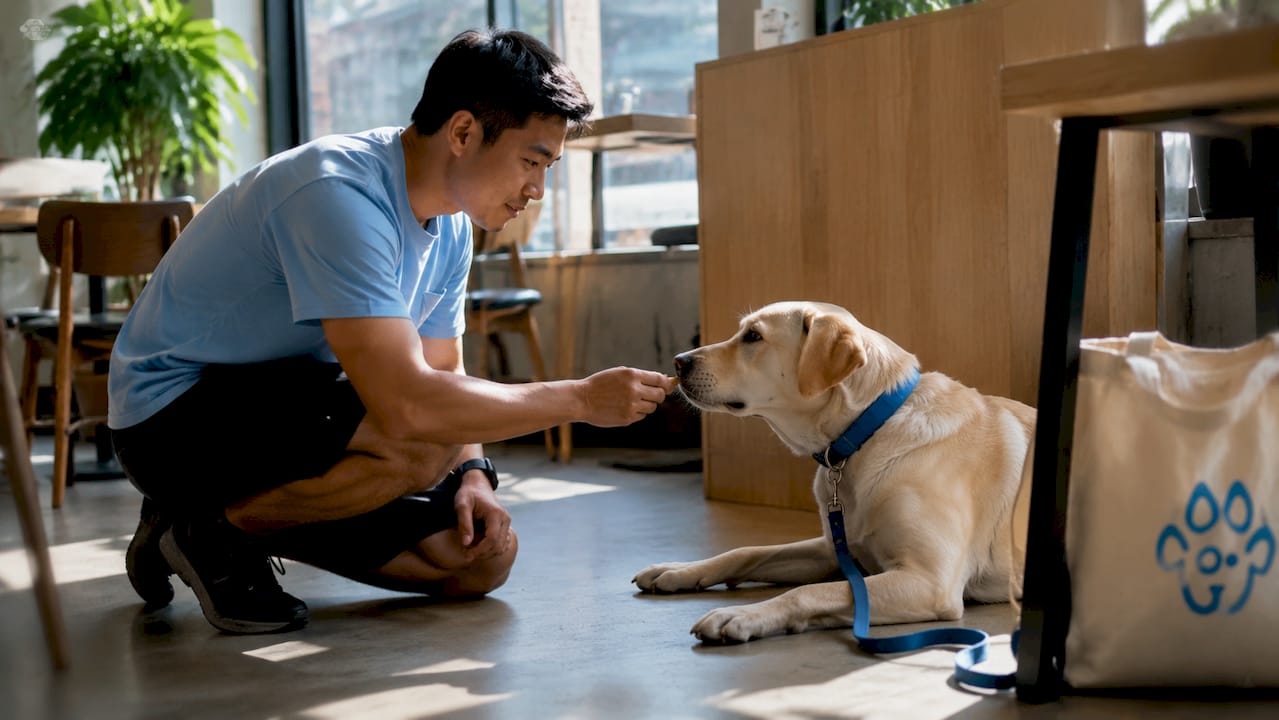
The best pet care providers use a patient-centered approach: they build trust with the pet, with the pet parent, and within the relationship between the two. This three-way approach relies on respectful touch, pet-directed speech, gentle humor, and honest communication. It sounds simple. Executing it consistently is the real skill.
Here is what trustworthy providers do differently:
- They use calm, gentle handling. Slow movements, soft voices, and reading the animal's body language signal safety to the pet before any care begins.
- They speak to pets directly. Talking to the dog or cat in a warm, friendly tone reduces anxiety and signals to the pet parent that the caregiver genuinely likes animals.
- They communicate transparently about costs and options. Rising veterinary fees have made financial transparency a non-negotiable trust signal. Pet parents who feel blindsided by costs lose confidence fast.
- They give consistent information. Conflicting advice from different team members destroys credibility. A unified message builds it.
- They treat every small recommendation as a trust moment. Professional groomers, for example, become educators by default and hold a position of trust that goes well beyond a haircut.
Before you hire anyone, ask how they handle a nervous or reactive animal on the first visit. A confident, specific answer tells you almost everything about their experience and their values.
The providers who earn lasting loyalty do not treat trust as a one-time achievement. They build it interaction by interaction, visit by visit. That is the only way it sticks.
What trust factors do pet parents prioritize when choosing pet services?
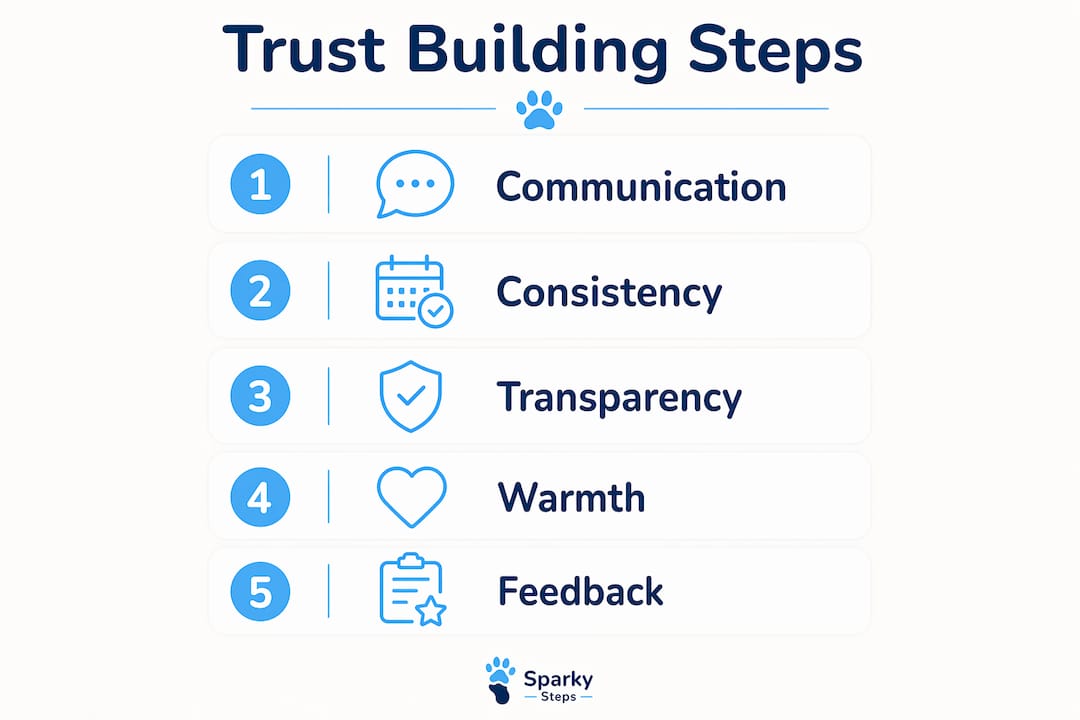
Pet parents prioritize warmth and responsiveness over star ratings. Calm, friendly language builds trust more effectively than technical jargon or a cold corporate tone. A provider who answers your first inquiry with genuine warmth is signaling that they will handle your pet's needs with the same care.
The key trust factors pet parents look for include:
- Responsiveness. How a business handles your questions previews how they will handle your pet care concerns. A slow or dismissive reply is a red flag before the first visit even happens.
- Visible signs of genuine care. Real photos from visits, honest reviews, and specific details about a pet's behavior during care all signal authenticity.
- Reliability and consistency. Punctuality, showing up with the same familiar face, and following through on commitments matter more than any marketing claim.
- Emotional safety over convenience. Pet parents who treat their animals as family choose providers who share that value, even if it costs more.
- Digital transparency. Real-time tracking, clear cancellation policies, and secure payment features reduce uncertainty and build confidence in digital pet care tools. Start and end notifications give pet parents a window into the visit without being physically present.
Pet parents also rely heavily on emotional cues. Warmth and authentic interactions outweigh numerical ratings when someone is deciding who gets a key to their home. That is a high-stakes decision, and they know it.
Understanding the signs of a trustworthy pet sitter before you hire anyone is one of the smartest things you can do for your pet's safety and your own peace of mind.
How does trust influence pet behavior and the success of care?
A pet that trusts its caregiver is a calmer, more cooperative patient. Calm pets during vet exams allow for more thorough assessments. Relaxed dogs during grooming reduce the risk of nicks, stress, and behavioral resistance. A dog that recognizes and welcomes its walkers gets a better walk, because the energy starts right.
Trust is built one interaction at a time, and each positive experience compounds. A dog that had a gentle first grooming session is easier to groom at the next visit. A cat that was handled calmly at the vet is less likely to hide under the exam table next time. Repeated positive interactions create a behavioral track record that makes every future visit easier.
Trust also improves health outcomes in a practical way. A pet parent who trusts their caregiver shares more information: behavioral changes, appetite shifts, unusual symptoms. That information helps caregivers catch problems early. A pet parent who does not trust their provider stays guarded, and the pet pays the price.
After each visit, note any behavioral changes in your pet, whether they seemed more relaxed, anxious, or energized. Sharing those observations with your care team helps them adjust their approach and strengthens the relationship over time.
Learning how professional pet care works gives you the context to recognize when a provider is genuinely building that trust versus just going through the motions.
What steps can pet parents take to build and maintain trust with providers?
Trust is a two-way street. Pet parents who actively participate in building the relationship get better care for their animals. Here is how to do it well:
- Choose providers with transparent communication. Ask direct questions before you hire anyone. How do they handle emergencies? What is their cancellation policy? What training do their walkers have? Clear, confident answers signal a professional operation.
- Share your pet's full profile. Tell your care team about your pet's routines, food preferences, behavioral quirks, and any fears. The more context a caregiver has, the more personalized and effective the care becomes.
- Ask questions and give feedback. Providers who welcome questions are confident in their work. If something felt off after a visit, say so. Good caregivers want to know.
- Recognize the signs of genuine care. Unprompted updates, specific observations about your pet's mood, and proactive communication are all signs that your caregiver is paying real attention.
- Share behavioral observations regularly. If your dog seemed anxious after a new route or your cat was unusually vocal, tell your care team. Every care decision is a chance to reinforce or erode trust, and your observations help caregivers make better ones.
Pet parents who treat the relationship as a partnership, not a transaction, consistently report higher satisfaction and better outcomes for their animals. It is also a lot less stressful for everyone involved, including the dog.
Trust is not a feature. It is the whole product.
By Michael Jaurigue, co-founder of Sparky Steps
"The biggest mistake I see in this industry is treating trust as a marketing line instead of an operating standard. You cannot call yourself trustworthy on a website and then send a different stranger to someone's home every week; real trust is earned in the small moments, the photo after a walk, the walker who notices a limp and calls before you even ask, the same familiar face that finally lets a nervous rescue relax. After ten years building Sparky Steps in a business that lives on referrals, I can tell you it cannot be faked for long. Pets know, pet parents figure it out, and your reputation ends up being the whole business."
- Michael Jaurigue
Sparky Steps: where trust shows up in every visit
Sparky Steps was built on the belief that pet care should feel like a neighbor helping out, not a transaction with a stranger. Every visit includes real-time updates through DoTimely: GPS tracking, photos, and visit notes sent directly to you. The same trusted walkers show up every time, because your pet deserves a familiar face, not a rotating cast. Sparky Steps is licensed, bonded, and insured, and has served Chicago's North Side since 2016. Whether you need Chicago dog walking or in-home pet sitting, the care team is ready to earn your trust, one visit at a time. ❤️
Key takeaways
Trust in pet services is built through consistent, transparent, and compassionate interactions between caregivers, pets, and pet parents, and it directly shapes the quality and safety of every care experience.
| Point | Details |
|---|---|
| Trust is earned interaction by interaction | Every visit, recommendation, and response either builds or erodes a pet parent's confidence in a provider. |
| Warmth outweighs star ratings | Pet parents rely on emotional cues and communication tone more than numerical reviews when choosing caregivers. |
| Calm pets get better care | Animals that trust their caregivers are easier to handle, which leads to safer and more thorough care. |
| Digital transparency matters | Real-time updates, GPS tracking, and clear policies reduce uncertainty and strengthen trust in modern pet care. |
| Pet parents are partners, not passengers | Sharing your pet's routines, preferences, and behavioral observations helps caregivers deliver more personalized care. |
FAQ
What is the role of trust in pet services?
Trust in pet services is the confidence a pet parent has that their caregiver will act with honesty, consistency, and genuine care. It directly affects pet behavior, health outcomes, and the pet parent's peace of mind.
How do pet care providers build trust with pet parents?
Providers build trust through transparent communication, consistent information, responsive replies, and genuine warmth. Patient-centered techniques like respectful touch and honest cost discussions also play a major role.
Why does trust matter for my pet's behavior during care?
A pet that trusts its caregiver is calmer, more cooperative, and easier to handle. Repeated positive interactions reduce anxiety over time and make every future visit smoother and safer.
What digital features signal a trustworthy pet care service?
Real-time tracking, start and end notifications, and secure payment features all reduce uncertainty and build confidence. These features give pet parents visibility into care without being physically present.
How can I tell if a pet care provider is genuinely trustworthy?
Look for consistent communication, specific observations about your pet after each visit, and a willingness to answer direct questions. Providers who welcome feedback and share unprompted updates are the ones who have earned the right to be trusted.


