

TL;DR:
- Proper rabbit care in Chicago involves regular veterinary checkups with exotic specialists to detect silent health issues early.
- A diet based on unlimited hay, limited pellets, and fresh greens supports long-term health and prevents dental and digestive problems.
Rabbit care in Chicago is defined as the practice of meeting your rabbit’s veterinary, nutritional, grooming, and environmental needs within the specific context of urban Chicagoland living. Indoor rabbits given proper hay-based diets and stable temperatures live 8 to 12 years on average, which means the choices you make today shape a decade of your rabbit’s life. Chicago offers real advantages for rabbit owners: exotic-savvy veterinarians like Dr. Byron de la Navarre, community grooming events at Red Door Animal Shelter, and local small animal care services like Sparky Steps. This guide covers every pillar of care so your rabbit thrives in the city.
What veterinary care do rabbits in Chicago need?
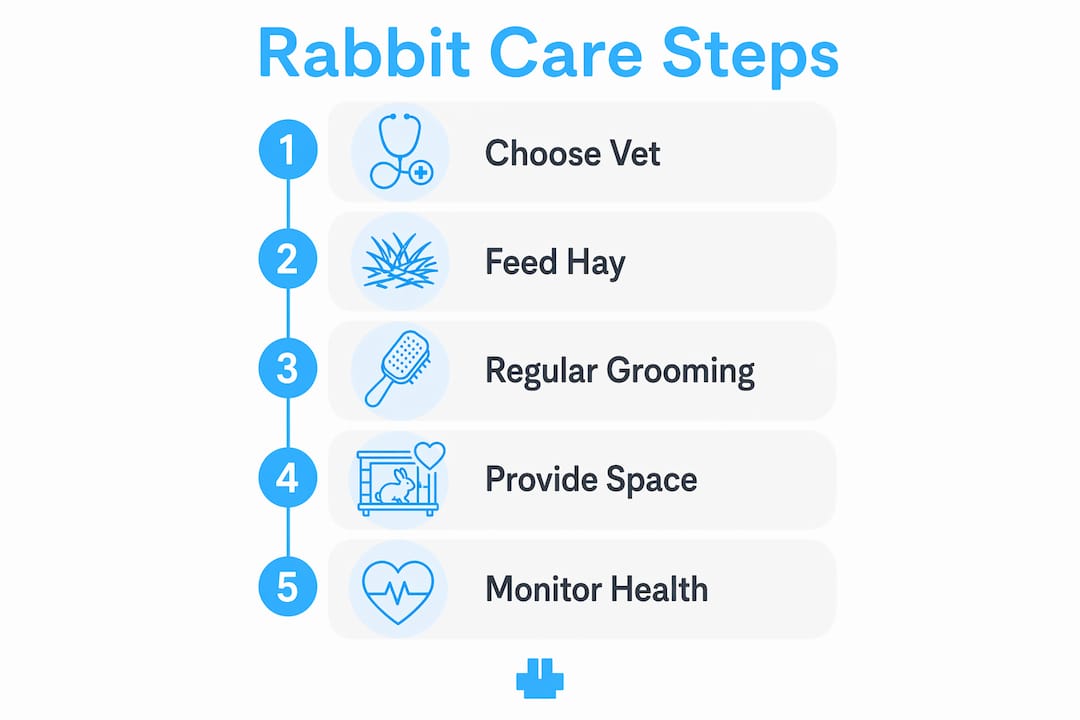
Rabbits are exotic pets, not small dogs or cats, and they require veterinarians who specialize in exotic mammals. General practice vets often lack the training to catch rabbit-specific conditions like dental malocclusion or GI stasis early enough to make a difference. Finding the right provider before your rabbit gets sick is the single most important step you can take.
Rabbits over 4 years old need veterinary checkups every six months, while younger rabbits do well with annual exams. This schedule exists because rabbits age faster than most owners realize, and conditions like dental overgrowth can progress silently between visits. Chicago rabbit owners can look for exotic mammal specialists through the Association of Exotic Mammal Veterinarians directory or ask for referrals through Red Door Animal Shelter.
The most critical health issues to monitor include:
- Dental disease: Rabbit teeth grow continuously and can misalign, causing pain and difficulty eating.
- GI stasis: A slowdown or stop in gut motility that becomes life-threatening fast. Rabbits stopping eating for over 12 hours face a genuine emergency requiring urgent exotic vet care.
- Reproductive health: Unspayed females face a very high risk of uterine cancer by age four. Spaying and neutering prevents numerous serious issues.
- Respiratory infections: More common in rabbits housed in poorly ventilated Chicago apartments.
Rabbits hide signs of pain due to their evolutionary prey behavior, so subtle changes like decreased appetite, a dull coat, or litter box avoidance are red flags. Do not wait for obvious distress. Contact your vet at the first sign something is off.
Pro Tip: Establish a relationship with an exotic-savvy Chicago vet before any health crisis. Vets who already know your rabbit’s baseline can act faster and more accurately when something goes wrong.
What is the ideal diet and nutrition plan for Chicago rabbits?
Diet is where most rabbit owners make their biggest mistakes, usually by overfeeding pellets and underfeeding hay. The correct rabbit diet and nutrition plan centers on grass hay as the foundation, not a supplement.

An 80 to 90% hay-based diet using Timothy or Orchard grass is the standard recommendation for adult rabbits. Alfalfa hay is too high in calcium and protein for adults and should be reserved for young rabbits under six months. This distinction matters because excess calcium contributes to bladder sludge and urinary problems, which are painful and expensive to treat.
Here is how to structure your rabbit’s daily meals:
- Hay: Unlimited access, always fresh. This is non-negotiable. Hay keeps the gut moving and wears down teeth naturally.
- Pellets: No more than one quarter cup per five pounds of body weight daily. Choose plain, timothy-based pellets without seeds, dried fruit, or colorful mix-ins.
- Leafy greens: One to two packed cups per day for a five-pound rabbit. Safe options include romaine lettuce, cilantro, parsley, arugula, and kale in small amounts. Iceberg lettuce offers almost no nutrition and can cause loose stools.
- Treats: Fresh fruit in tiny amounts only. Think one blueberry or a thin apple slice, not a handful.
- Water: Fresh water daily in a heavy ceramic bowl. Bottles work but bowls are easier for rabbits to drink from naturally.
Chicago residents can source quality Timothy hay from local pet stores like Petco on North Clark or through online retailers like Small Pet Select, which ships directly to Chicago addresses. Farmers markets in Lincoln Park and Wicker Park occasionally carry fresh herbs that double as safe rabbit greens. (Your rabbit will judge your herb selection very seriously. They have standards.)
Toxic foods to avoid completely include avocado, onion, garlic, rhubarb, and any processed human food. Selective feeding, where rabbits pick out the tasty pellet bits and ignore hay, is a real problem. Limiting pellets actually encourages hay consumption, which is exactly what you want.
How should Chicago rabbit owners manage grooming and hygiene?
Grooming is not optional for rabbits. It is a health practice. Weekly brushing is necessary under normal conditions, and daily brushing is required during seasonal shedding, which happens roughly every three months. Skipping grooming during a shed is how rabbits end up with dangerous fur blockages.
Here is a step-by-step grooming routine that works for most Chicago rabbit owners:
- Brush the coat using a soft slicker brush for short-haired breeds or a metal comb for longer coats. Work gently from head to tail.
- Check for mats behind the ears, under the chin, and around the hindquarters. These are the spots where mats form fastest.
- Trim nails every four to six weeks using small animal nail clippers. Cut only the clear tip, avoiding the pink quick.
- Clean scent glands located on either side of the genitals. A cotton swab with a small amount of coconut oil works well. This is often overlooked and can cause discomfort if neglected.
- Check ears for dark waxy buildup, which can signal ear mites. A clean, dry cotton ball is all you need for routine ear care.
Rabbits cannot vomit, so ingested fur during shedding can cause digestive blockages if grooming is inadequate. This is especially true for Lionhead rabbits, whose mane and body wool mat quickly. Lionhead rabbits require slicker brushes and metal combs used gently in delicate areas like behind the ears and under the chin. Never use scissors to remove mats. Rabbit skin is paper-thin and scissors cause serious injuries. Severe mats need professional care.
| Breed type | Grooming frequency | Key tools needed |
|---|---|---|
| Short-haired (Rex, Mini Rex) | Weekly brushing | Soft slicker brush |
| Medium-haired (Holland Lop) | Twice weekly | Slicker brush, metal comb |
| Long-haired (Lionhead, Angora) | Daily during sheds | Metal comb, mat splitter |
Red Door Animal Shelter in Chicago hosts quarterly Spa-Di-Da-Days, community grooming events where rabbit owners can get nail trims, scent gland cleaning, and grooming guidance from experienced volunteers. These events are a genuinely useful Chicago rabbit care resource, especially for new owners who feel nervous about nail trimming. Check the Red Door Animal Shelter website for upcoming dates.
Pro Tip: If your rabbit suddenly stops grooming itself, develops a dull or patchy coat, or you notice bald spots, contact your vet. These are signs of pain, illness, or parasites, not just a bad fur day.
How can urban Chicago environments affect rabbit care?
Chicago apartments present specific challenges for rabbit owners that suburban or rural owners rarely face. Temperature, space, noise, and bedding choices all affect your rabbit’s health in ways that are easy to underestimate.
Temperature control is the most urgent environmental factor. Rabbits require a stable temperature between 60 and 72°F. Chicago summers regularly push indoor temperatures above this range, and rabbits are highly vulnerable to hyperthermia. Unlike dogs, rabbits cannot pant effectively to cool down. Practical solutions include:
- Placing ceramic tiles in the enclosure for your rabbit to lie on during hot days
- Using frozen water bottles wrapped in a thin towel as a cooling station
- Running a fan to circulate air without blowing directly on the rabbit
- Keeping the enclosure away from south-facing windows during summer months
Space is the second major factor. Rabbits need room to run, jump, and binky (that joyful mid-air twist that means your rabbit is happy). A minimum enclosure size of four feet by two feet is a starting point, not a goal. Rabbits should have at least three to four hours of supervised free-roaming time daily in a rabbit-proofed area. Chicago studio and one-bedroom apartments can absolutely accommodate this with some planning.
Bedding matters more than most owners realize. Avoid cedar and pine shavings entirely. The aromatic oils in these woods are toxic to rabbits and cause respiratory and liver damage. Safe options include paper-based bedding like Carefresh, fleece liners, or plain newspaper. Clean the litter box every two to three days and wipe enclosure surfaces with a diluted vinegar-water solution.
Urban noise from traffic, construction, and neighbors can stress rabbits significantly. Rabbits are prey animals and loud, sudden sounds trigger a fear response. Placing the enclosure in a quieter room and using a white noise machine near the space reduces stress-related health issues. For small animal care when you travel or work long hours, Sparky Steps provides trusted in-home sitting that keeps your rabbit’s routine intact.
Key takeaways
Rabbit care in Chicago requires combining exotic veterinary expertise, a hay-first diet, consistent grooming, and urban-specific environmental management to support a healthy, long life.
| Point | Details |
|---|---|
| Vet schedule matters | Rabbits over 4 years need exams every 6 months with an exotic mammal specialist. |
| Hay is the foundation | An 80 to 90% Timothy or Orchard hay diet prevents dental and digestive disease. |
| Grooming prevents emergencies | Weekly brushing and daily grooming during sheds stops dangerous fur blockages. |
| Temperature control is urgent | Keep indoor temps between 60 and 72°F; use cooling tiles during Chicago summers. |
| Watch for subtle illness signs | Decreased appetite or litter box changes signal a health issue requiring immediate vet contact. |
What I’ve learned from years of watching Chicago rabbits thrive and struggle
I have seen rabbit owners do everything right on paper and still miss the most important thing: daily observation. Rabbits are masters at hiding discomfort. By the time a rabbit looks obviously sick, the situation is often already serious. The owners who catch problems early are the ones who know their rabbit’s normal. They notice when the pellet bowl is slightly fuller than usual, or when their rabbit’s fecal pellets are smaller than yesterday. Monitoring daily food and water intake alongside fecal output gives you a health baseline that no vet visit can replicate.
Chicago is actually a great city for rabbit owners if you use the resources available. Red Door Animal Shelter’s community events, exotic-savvy vets, and local pet care services mean you are not doing this alone. What I would tell every new Chicago rabbit owner is this: find your exotic vet before you need one, learn your rabbit’s normal, and do not underestimate how much a good grooming routine changes your rabbit’s quality of life. Rabbits are social and intelligent animals that respond to consistent, attentive care. Give them that, and they will reward you with years of binkies and nose twitches. (And the occasional judgmental stare. That is just part of the deal.)
— Michael
How Sparky Steps supports Chicago rabbit owners
When life gets busy, your rabbit still needs fresh hay, a clean litter box, and gentle interaction. Sparky Steps has been serving Chicago pet owners since 2016 with in-home pet sitting tailored to small animals, including rabbits. Every visit covers feeding, cage maintenance, fresh water, and calm playtime so your rabbit’s routine stays consistent while you are away. Sparky Steps caregivers are insured, background-checked, and genuinely fond of small fur babies. You get real-time updates through the app, including photos and notes, so you always know your rabbit is in good hands. For Chicago rabbit owners who want weekend pet sitting or regular weekday care, Sparky Steps is the dependable local option.
FAQ
How often should I take my rabbit to the vet in Chicago?
Rabbits under four years old need annual exams with an exotic mammal specialist. Rabbits over four years old require checkups every six months to catch dental disease, GI issues, and other age-related conditions early.
What do Chicago rabbits eat for a healthy diet?
The foundation is unlimited Timothy or Orchard grass hay, making up 80 to 90% of the diet. Add a small daily serving of leafy greens and limit pellets to one quarter cup per five pounds of body weight.
Where can I get rabbit grooming help in Chicago?
Red Door Animal Shelter hosts quarterly Spa-Di-Da-Days offering nail trims, scent gland care, and grooming guidance for rabbit owners. These community events are free or low-cost and staffed by experienced volunteers.
What temperature should I keep my Chicago apartment for my rabbit?
Rabbits need a stable indoor temperature between 60 and 72°F. During Chicago summers, use ceramic cooling tiles and frozen water bottles to prevent hyperthermia, which rabbits cannot manage on their own.
How do I know if my rabbit is sick?
Watch for decreased appetite, smaller or fewer fecal pellets, litter box avoidance, or a dull coat. Rabbits hide pain instinctively, so subtle changes are your earliest warning. Contact your exotic vet immediately if you notice any of these signs.
Written by the Sparky Steps Team.

