

TL;DR:
- Caring for birds in Chicago involves ensuring proper housing, a species-appropriate diet, and awareness of urban hazards unique to the city. Pet owners must address lead paint risks, provide safe environments, and follow migration season guidelines to protect both wild and domestic birds. Regular veterinary care and preventive measures are essential for maintaining long-term avian health in Chicago’s distinctive environment.
Caring for birds in Chicago is a multifaceted practice that covers proper housing, species-appropriate nutrition, urban hazard awareness, and access to qualified avian veterinary care. Chicago’s unique environment, from its older housing stock to its position on the Mississippi Flyway, creates specific challenges that generic bird care guides simply don’t address. Whether you share your home with a parrot, a cockatiel, or a conure, the advice from trusted sources like MSPCA-Angell and the Chicago Bird Alliance applies directly to your situation. This guide gives you everything you need to keep your feathered family member healthy, safe, and genuinely happy in the city.
What are the ideal housing and cage requirements for pet birds in Chicago?
The right cage is the foundation of good avian care, and size is the first thing to get right. According to MSPCA-Angell guidelines, pet birds need cages large enough to allow short flights, accommodate multiple perches at different heights, and permit full wing extension without obstruction. Think of the cage as your bird’s bedroom, not its entire world. It’s where they sleep and stay safe, not where they spend every waking hour.
Supervised out-of-cage time is not optional. Birds kept confined for most of the day develop behavioral problems, feather-destructive habits, and physical health issues. Daily free-flight time in a bird-proofed room gives your bird the mental and physical stimulation it genuinely needs. If you’re unsure how to set up a safe play space, resources on in-home pet enrichment can give you a practical starting point.
Chicago homes present a specific hazard that most national guides overlook: lead paint. The city has a large stock of pre-1978 housing, and birds that chew on painted surfaces or old woodwork can suffer heavy metal toxicity. Lead and zinc from older painted surfaces or certain cage hardware are among the most common avian poisoning cases seen by urban vets. This means your cage selection and room choice matter more here than they would in a newer suburban home.
Here’s a quick checklist for setting up a safe bird habitat in a Chicago home:
- Cage bar spacing: Match bar spacing to your bird’s species. Too wide and a small bird can escape or get its head stuck. (Not a fun game of peek-a-boo.)
- Cage material: Stainless steel is the safest option. Avoid galvanized metal, which can leach zinc.
- Perch variety: Use natural wood perches of varying diameters to promote foot health. Rotate them regularly.
- Room placement: Keep the cage away from the kitchen, where cooking fumes and non-stick cookware can be fatal to birds.
- Window proximity: Position the cage where your bird gets natural light but is not in direct sun all day, and away from drafty windows during Chicago winters.
Pro Tip: Before placing your bird’s cage in any room of an older Chicago home, run a lead test on nearby painted surfaces. Hardware stores carry inexpensive test kits, and the peace of mind is absolutely worth it.
How should bird owners in Chicago manage nutrition and feeding?
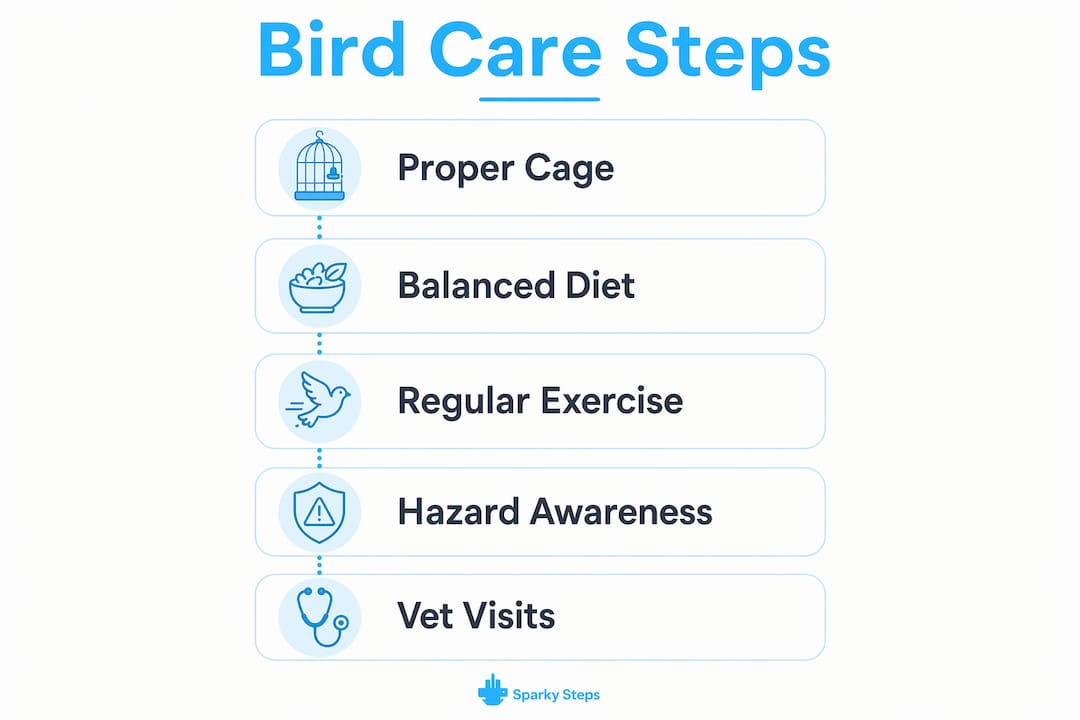
Bird nutrition is one of the most misunderstood areas of avian care, and seed-heavy diets are the biggest culprit. Most parrots’ diets should not be seed-based. Seeds are high in fat and low in the vitamins and minerals birds need for long-term health. The optimal parrot diet is approximately 60% high-quality pellets, 30 to 35% bird-safe fresh vegetables and fruit, and only 5 to 10% seeds used as treats. That ratio is the single most important dietary shift most Chicago bird owners can make.
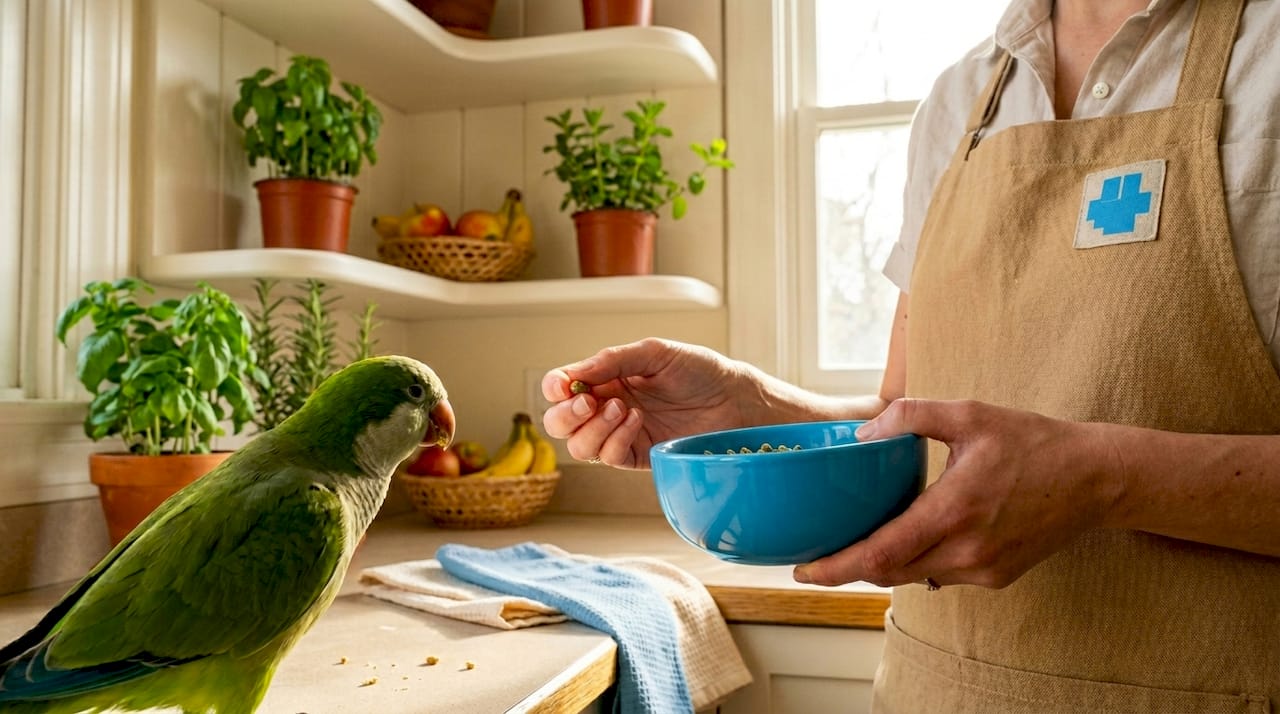
Pellets provide balanced nutrition that seeds simply cannot replicate. Brands like Harrison’s Bird Foods and Zupreem Natural are widely recommended by avian vets and are available at Chicago-area pet stores and online. Fresh produce rounds out the diet beautifully. Safe options include leafy greens like kale and romaine, carrots, bell peppers, blueberries, and mango. Variety keeps your bird interested and covers a broader nutritional spectrum.
Certain foods found in almost every Chicago kitchen are genuinely dangerous to birds. Avian-toxic foods include avocado, chocolate, onions, and caffeine. Avocado is particularly alarming because no antidote exists for avocado poisoning in birds. Prevention is the only strategy. Keep the ASPCA Animal Poison Control number, (888) 426-4435, saved in your phone before you ever need it.
Foods to keep away from your bird entirely:
- Avocado (all parts, including guacamole)
- Chocolate and cocoa products
- Onions and garlic
- Caffeinated beverages
- Alcohol
- Fruit pits and apple seeds, which contain cyanogenic compounds
Pro Tip: Wash all fresh produce thoroughly before offering it to your bird. Chicago tap water is safe, but pesticide residue on produce is a real concern. Organic options are worth the extra cost for the fruits and vegetables your bird eats most often.
Food hygiene matters year-round, but Chicago’s humid summers mean fresh food left in the cage can spoil faster than you’d expect. Remove uneaten fresh food within two hours during warm months. For more on building healthy routines for small pets, the Sparky Steps small animal care guide covers practical feeding schedules that translate well to bird ownership.
What local environmental hazards should Chicago bird owners know about?
Chicago sits directly on the Mississippi Flyway, one of North America’s busiest bird migration corridors. That makes spring and fall migration seasons a critical time for both wild birds and the pet birds living in Chicago homes. The Chicago Bird Alliance’s Lights Out program asks residents to turn off non-essential lights or draw blinds from 11 p.m. to dawn during peak migration windows: March 15 through June 15 and August 15 through November 15. This matters for pet bird owners too, because interior lighting visible through windows can disorient migrating birds and cause window collisions on your building’s exterior.
Window collisions are the most common cause of bird injury in urban areas. Reflective glass is invisible to birds in flight. If you find an injured bird on a Chicago sidewalk, calling 773-988-1867 connects you with Chicago Bird Collision Monitors, a volunteer organization that coordinates rescues and collects data on collision patterns across the city. They are fast, knowledgeable, and genuinely compassionate about what they do.
“Prevention is better than rescue. Conducting a home hazard audit once a year reduces the risk of toxin exposure and injury for your bird significantly.” — University of Illinois Veterinary Medicine
For pet bird owners, the household hazard list goes beyond food. Non-stick cookware coated with PTFE (commonly known as Teflon) releases fumes when overheated that are lethal to birds within minutes. Scented candles, aerosol sprays, air fresheners, and cigarette smoke are all respiratory hazards. Birds have highly efficient respiratory systems, which is exactly what makes them so vulnerable to airborne toxins.
Here’s a practical hazard audit checklist for your Chicago home:
- Replace non-stick cookware with stainless steel or cast iron in any room near your bird.
- Avoid aerosol products, including hairspray and cleaning sprays, near your bird’s space.
- Test older painted surfaces for lead before allowing your bird access to those areas.
- Keep the ASPCA Poison Control number, (888) 426-4435, posted somewhere visible.
- During migration season, follow the Chicago Bird Alliance’s Lights Out schedule to reduce window collision risk.
How can Chicago bird owners find qualified avian veterinary care?
Finding a qualified avian vet in Chicago takes more than a quick Google search. Birds require specialists, not just any general practice veterinarian. The American Board of Veterinary Practitioners (ABVP) maintains a Find a Specialist directory at abvp.com where you can search for board-certified Diplomates in avian practice by location. Cross-referencing with the Association of Avian Veterinarians (AAV) membership list gives you an additional layer of confidence in your choice.
Here’s how to approach finding and using avian veterinary care in Chicago:
- Search the ABVP directory at abvp.com/find-a-specialist and filter by avian specialty and Illinois location.
- Schedule a wellness exam within the first month of bringing a new bird home, even if the bird appears healthy.
- Book annual checkups every year without exception. Birds hide illness well, and by the time symptoms are obvious, the condition is often advanced.
- Ask about telemedicine options. Several avian specialists now offer virtual consultations for non-emergency questions, which is convenient for Chicago owners dealing with winter weather.
- Keep records. Maintain a folder with your bird’s weight history, diet log, and any behavioral changes. Avian vets rely heavily on owner observations because birds cannot tell you what hurts.
Regular veterinary exams are the single most effective tool for catching health problems before they become emergencies. MSPCA-Angell veterinarian Dr. Staudenmaier specifically advises routine preventive care as the cornerstone of long-term avian health. A bird that looks fine can be masking respiratory infection, liver disease, or nutritional deficiency. Your vet visit is the one time that mask comes off.
Key takeaways
Caring for birds in Chicago requires combining proper housing, a pellet-forward diet, year-round hazard awareness, and access to a board-certified avian veterinarian.
| Point | Details |
|---|---|
| Cage size and safety | Choose stainless steel cages large enough for flight and test older Chicago homes for lead paint. |
| Pellet-based diet | Pellets should make up 60% of a parrot’s diet; seeds are treats, not staples. |
| Toxic food prevention | Avocado, chocolate, onions, and caffeine have no antidote. Keep ASPCA Poison Control at (888) 426-4435 ready. |
| Migration season awareness | Follow Chicago Bird Alliance’s Lights Out schedule from March 15 to June 15 and August 15 to November 15. |
| Specialist veterinary care | Use the ABVP directory to find a certified avian vet and schedule annual wellness exams. |
Why I think most Chicago bird owners underestimate their local environment
I’ve worked with pet owners across Chicago for years, and the pattern I keep seeing is this: people research bird care thoroughly but treat it as a universal topic. They read the same national guides, buy the same cages, and follow the same feeding advice. What they miss is that Chicago is genuinely different from most cities when it comes to bird welfare.
The combination of older housing stock, a major migration corridor, and dense urban glass creates a set of risks that don’t show up in a standard parrot care pamphlet. I’ve spoken with bird owners who had no idea their pre-1978 apartment walls were a chewing hazard, or that their kitchen’s non-stick pan was more dangerous to their cockatiel than any predator. That knowledge gap is fixable, and fixing it makes a real difference.
What I find genuinely encouraging is how active Chicago’s bird community is. The Chicago Bird Alliance, Chicago Bird Collision Monitors, and local avian vets form a real support network. Getting involved, even just by following the Lights Out schedule or calling in an injured bird, connects you to people who care deeply about every bird in this city, wild or domestic. Your pet bird and the migrating warblers outside your window are part of the same story. That’s worth paying attention to.
— Michael
How Sparky Steps supports Chicago pet owners
At Sparky Steps, we’ve been caring for Chicago’s pets since 2016, and we know that “small animal” care means something different to every owner. Whether you have a parrot, a guinea pig, or a senior dog, our insured, background-checked caregivers bring the same level of attention and warmth to every visit. We provide real-time updates through our app, including photos and notes, so you always know your pet is in good hands. If you’re a bird owner who occasionally needs a trusted set of eyes on your feathered family member, we’re here for that. Reach out to learn how our local Chicago team can support your pet care routine year-round.
FAQ
What is the best diet for a pet parrot in Chicago?
The best parrot diet is approximately 60% high-quality pellets, 30 to 35% bird-safe fresh vegetables and fruit, and 5 to 10% seeds as treats. Consult an avian vet for species-specific adjustments.
How do I find an avian vet in Chicago?
Use the ABVP’s Find a Specialist tool at abvp.com/find-a-specialist to locate board-certified avian veterinarians in the Chicago area. Cross-referencing with AAV membership adds further confidence.
What household items are toxic to pet birds?
Avocado, chocolate, onions, caffeine, non-stick cookware fumes, aerosol sprays, and scented candles are all toxic to birds. No antidote exists for avocado poisoning, so prevention is the only option.
What should I do if I find an injured bird in Chicago?
Call Chicago Bird Collision Monitors at 773-988-1867 for a coordinated rescue response. They handle injured birds found on sidewalks and in urban areas throughout the city.
When is migration season in Chicago, and why does it matter for pet bird owners?
Chicago’s spring migration runs mid-March through early June, and fall migration runs mid-August through mid-November. Following the Chicago Bird Alliance’s Lights Out schedule during these windows reduces window collision risk for wild birds and minimizes disorienting reflections that can affect your pet bird indoors.
Written by the Sparky Steps Team.


