

TL;DR:
- Caring for guinea pigs in Chicago requires a fiber-rich diet, daily vitamin C, climate-controlled housing, and access to specialized veterinary care. Owners must adapt their husbandry practices to Chicago’s seasonal temperature and humidity changes to ensure their pets’ health and comfort. Establishing a relationship with an exotic pet veterinarian and dependable pet sitters is essential for long-term well-being.
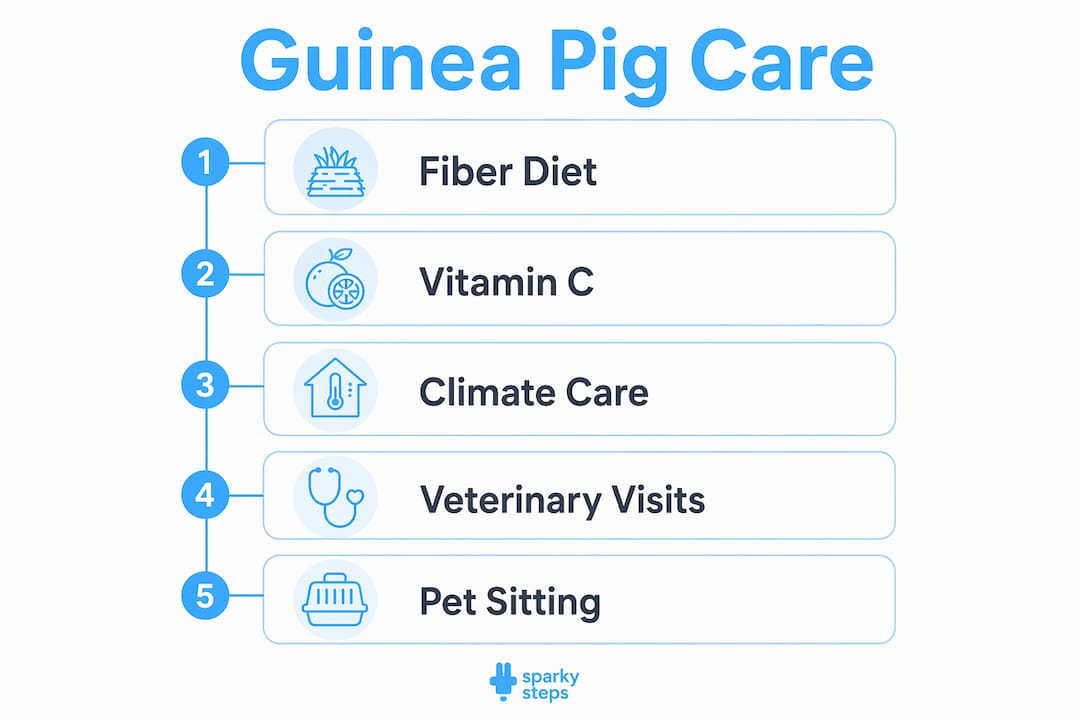
Guinea pig pet care in Chicago is defined by four non-negotiable pillars: a fiber-first diet, daily vitamin C supplementation, climate-appropriate housing, and access to exotic-specialized veterinary care. These small fur babies are more medically complex than most new owners expect, and Chicago’s cold winters and humid summers add a layer of husbandry challenge that generic care guides simply ignore. Whether you just adopted your first cavy from the Anti-Cruelty Society or you’re a seasoned owner looking to sharpen your routine, this guide gives you the specifics that actually matter for life in the city.
What is the ideal diet and nutritional needs for guinea pigs in Chicago?
Guinea pigs are obligate hindgut fermenters, meaning their digestive health depends entirely on a fiber-first diet built around unlimited grass hay. Timothy hay, orchard grass, and meadow hay should make up roughly 70% of your guinea pig’s daily intake. The cecum alone holds about 65% of total gastrointestinal contents, which tells you just how much this animal’s body is built around processing fiber continuously. Cutting back on hay to save money or reduce mess is one of the fastest ways to land your cavy at an exotic vet.

The second dietary non-negotiable is vitamin C. Guinea pigs cannot synthesize vitamin C on their own, and deficiency causes anorexia, rough coat, swollen joints, lameness, and delayed wound healing. This is a medical necessity, not a supplement you add when you remember. Fresh bell peppers, leafy greens like romaine and kale, and small amounts of parsley are excellent natural sources available year-round at Chicago grocery stores like Mariano’s, Whole Foods, and local produce markets in Pilsen or Logan Square.
Here is a practical breakdown of what a solid daily diet looks like:
- Unlimited timothy hay: The foundation of every meal, every day, no exceptions
- 1 cup of fresh vegetables per day: Bell peppers, romaine lettuce, zucchini, and cucumber work well
- Small portion of pellets: Choose plain, vitamin C-fortified pellets like Oxbow Essentials Adult Guinea Pig Food
- Fresh water daily: Change it every 24 hours; water bottles are preferred over open bowls to reduce contamination
- No sugary fruits as staples: Strawberries and blueberries are fine as occasional treats, not daily additions
One thing Chicago owners need to watch: neophobia is real in guinea pigs. Sudden changes to diet or environment can cause them to stop eating entirely, which triggers dangerous GI complications fast. If you switch hay brands or introduce a new vegetable, do it gradually over five to seven days.
Pro Tip: Vitamin C degrades quickly in water, so skip the water-soluble drops and stick to fresh food sources or a small piece of bell pepper daily. It’s more reliable and your guinea pig will probably enjoy it more anyway.
How should guinea pigs be housed considering Chicago’s climate?
Chicago’s climate creates specific housing challenges that owners in warmer cities never face. Guinea pigs require a temperature range of 65 to 79°F with humidity between 40 and 70%. During a Chicago winter, indoor heating systems can drop humidity well below 40%, stressing your guinea pig’s respiratory system. In summer, air conditioning can push temperatures too low if the cage sits near a vent.
Setting up the right habitat takes a few deliberate steps:
- Choose the right cage size. The minimum for one guinea pig is 7.5 square feet of floor space, but bigger is always better. C&C cages (coroplast and cube grids) are popular among Chicago owners because they are customizable and affordable.
- Avoid wire flooring and glass tanks. Wire floors cause bumblefoot, a painful bacterial infection of the foot pads. Glass tanks trap heat and restrict airflow, both serious problems in a Chicago summer.
- Select safe bedding. Paper-based bedding like Carefresh or fleece liners are the two best options. Avoid cedar and pine shavings, which release aromatic oils harmful to guinea pig lungs.
- Place the cage away from windows and vents. Direct sunlight overheats the enclosure fast. Drafts from heating and cooling vents create temperature swings your guinea pig cannot handle.
- Clean the cage consistently. Spot-clean daily and do a full cage clean at least once a week. Chicago’s seasonal humidity changes can accelerate odor and bacterial buildup if you let cleaning slide.
A digital thermometer and hygrometer placed inside or near the cage gives you real-time data on both temperature and humidity. They cost under $15 at most hardware stores and are genuinely worth it.
Pro Tip: During Chicago winters, a small cool-mist humidifier near (not directly at) the cage can keep humidity in the healthy range without overheating your guinea pig’s space.
What local veterinary services are available for guinea pig owners in Chicago?
Finding the right vet is the single most important decision you make as a guinea pig owner in Chicago. General practice veterinarians often have limited training in exotic small mammals, so you need a clinic with zoological medicine expertise.
Two clinics stand out for Chicago-area owners:
- Chicago Exotics Animal Hospital in Skokie (3735 Dempster St) offers specialist care for exotic pets including guinea pigs, with care sheets, wellness exams, and emergency services. Their team is trained specifically in small exotic mammal medicine.
- Midwest Bird & Exotic Animal Hospital in Elmwood Park provides advanced and emergency care for pocket pets. If your guinea pig has an after-hours crisis, this clinic is one of the most reliable options in the metro area.
Here is a quick comparison of what to look for when evaluating any exotic vet in Chicago:
| Feature | What to look for |
|---|---|
| Exotic specialization | Veterinarians with zoological medicine training or exotic pet certification |
| Emergency availability | After-hours or on-call exotic care, not just referral to a general ER |
| Guinea pig experience | Ask directly how many guinea pig cases they see per month |
| Wellness exam offerings | Annual exams, dental checks, and weight monitoring for small mammals |
Schedule a wellness exam within the first month of bringing a guinea pig home, even if the animal appears healthy. Many conditions, including dental malocclusion and early vitamin C deficiency, are not visible until they become serious.
What preventive health measures should Chicago guinea pig owners know?
Preventive care for guinea pigs goes well beyond annual vet visits. Female guinea pigs are particularly prone to ovarian cysts and uterine disease, and elective spay using a bilateral flank approach is now considered best practice for healthy young females. This surgical technique minimizes handling of the GI tract and soft tissue, reducing anesthesia time and complication risk compared to traditional ovariohysterectomy.
Key preventive health points every Chicago owner should keep in mind:
- Vitamin C deficiency progresses fast. Growing guinea pigs, pregnant females, and sick animals have higher vitamin C requirements than healthy adults. The standard daily amount for a healthy adult is not enough during these life stages.
- Post-operative feeding is critical. After any surgery, including spay, GI stasis is a real risk. Your vet should give you a clear feeding plan before the procedure, and you need to monitor eating closely in the 24 hours after surgery.
- Dental health matters more than most owners realize. Guinea pig teeth grow continuously. A hay-heavy diet naturally wears them down, but malocclusion (misaligned teeth) is one of the most common reasons guinea pigs stop eating.
- Weigh your guinea pig weekly. A kitchen food scale works perfectly. A loss of even 50 grams over a week is a signal to call your vet. Weight loss is often the first and only visible sign of illness in guinea pigs.
Pain management after surgery typically includes meloxicam and buprenorphine, both of which your vet will prescribe. Do not skip pain medication doses, even if your guinea pig seems comfortable.
How can Chicago owners integrate pet sitting and grooming services?
Life in Chicago gets busy, and your guinea pig’s care routine cannot take a back seat when it does. Consistent feeding schedules, cage cleaning, and social interaction are not optional, and specialized small animal sitting services in Chicago are designed to fill that gap reliably.
When evaluating a guinea pig sitter or grooming provider in Chicago, look for these qualities:
- Experience with exotic small mammals, not just dogs and cats. Ask specifically whether the sitter has cared for guinea pigs before.
- Willingness to follow your exact feeding and cleaning routine. Consistency matters because guinea pigs are creatures of habit. A sitter who improvises diet or cage setup can trigger the neophobia and GI issues discussed earlier.
- Real-time updates during your absence. Photo check-ins and written notes give you peace of mind and help you catch any changes in behavior or appetite early.
- Chicago guinea pig grooming needs are modest but real. Long-haired breeds like Peruvian and Silkie guinea pigs need regular brushing and occasional nail trims. A sitter or groomer comfortable with small animals can handle both.
For guinea pig adoption in Chicago, the Anti-Cruelty Society and Red Door Animal Shelter occasionally have guinea pigs available. Adopting a bonded pair is worth considering since guinea pigs are social animals and do better with a companion.
Key takeaways
Caring for guinea pigs in Chicago requires a fiber-rich diet, daily vitamin C, climate-controlled housing, and a relationship with an exotic-specialized veterinarian before any health crisis occurs.
| Point | Details |
|---|---|
| Hay is non-negotiable | Timothy hay must make up 70% of daily diet to support hindgut digestion. |
| Vitamin C is medical, not optional | Daily fresh sources like bell pepper prevent deficiency diseases that progress fast. |
| Chicago climate demands attention | Keep housing between 65 and 79°F with 40 to 70% humidity year-round. |
| Find an exotic vet before you need one | Chicago Exotics Animal Hospital and Midwest Bird & Exotic Animal Hospital are your best local options. |
| Preventive spay lowers long-term risk | Bilateral flank spay for healthy females reduces reproductive disease and recovery time. |
What I’ve learned from years of watching Chicago owners care for guinea pigs
I’ll be honest with you: the most common mistake I see is not neglect. It’s overconfidence in the basics. Owners buy a cage, get some hay, and assume they’re set. Then six months in, their guinea pig is losing weight and they have no exotic vet on file.
The vitamin C issue catches people off guard more than anything else. Most owners know guinea pigs need it, but they underestimate how fast deficiency develops in a sick or pregnant animal. The standard daily dose for a healthy adult is not a ceiling. It’s a floor. And that floor rises the moment your guinea pig is stressed, growing, or recovering from anything.
The other thing I’d push back on is the idea that guinea pigs are low-maintenance starter pets. They are wonderful, social, and genuinely entertaining animals. But they need daily attention, weekly vet-level observation, and a caregiver who understands their quirks. If you’re considering guinea pig adoption in Chicago, go in with realistic expectations and a vet already identified. You’ll be a much better owner for it, and your guinea pig will be a much happier one. (And yes, a happy guinea pig will absolutely popcorn around its cage at 7 a.m. No one warned me about that either.)
— Michael
How Sparky Steps supports guinea pig owners across Chicago
Sparky Steps has been serving Chicago pet owners since 2016, and that includes the small fur babies that don’t bark or fetch. If you need a reliable, experienced caregiver to look after your guinea pig while you travel or work long hours, the Sparky Steps team is ready to help. Every caregiver is insured, background-checked, and committed to following your guinea pig’s exact routine, from hay portions to vitamin C servings. You’ll get real-time photo updates and notes through the app so you always know your cavy is comfortable and cared for. Explore small animal care services and find the right fit for your guinea pig today.
FAQ
What do guinea pigs eat in Chicago?
Guinea pigs thrive on unlimited timothy hay, one cup of fresh vegetables daily, and vitamin C-fortified pellets. Fresh bell peppers and romaine lettuce are widely available at Chicago grocery stores and are excellent natural vitamin C sources.
How often should I take my guinea pig to the vet in Chicago?
Annual wellness exams are the minimum, but exotic-specialized vets like Chicago Exotics Animal Hospital recommend twice-yearly checkups for guinea pigs over three years old. Schedule the first visit within a month of bringing your guinea pig home.
What temperature should my guinea pig’s habitat be in Chicago?
Guinea pigs need a stable environment between 65 and 79°F with humidity between 40 and 70%. Chicago’s winter heating and summer air conditioning both require monitoring to keep conditions in that range.
Is it worth getting a guinea pig spayed in Chicago?
Yes. Elective spay using the bilateral flank approach significantly reduces the risk of ovarian cysts and uterine disease in female guinea pigs. The University of Illinois College of Veterinary Medicine supports this as a preventive health measure for healthy young females.
Where can I find guinea pig sitting services in Chicago?
Sparky Steps offers specialized small animal sitting in Chicago, including guinea pig feeding, cage maintenance, and socialization. Look for sitters with direct exotic small mammal experience and a willingness to follow your exact care routine.
Written by the Sparky Steps Team.


